As the weather cools down, mould can start to reappear. It creeps along shower grout, blooms on the ceilings of changing rooms and darkens the silicone around washroom sinks. You clean it off, and a few weeks later it’s back.
The reason is simple: removing the mould you can see doesn’t fix what is feeding it. As UK Government guidance on damp and mould says:
“Simply removing surface mould will not prevent the damp and mould from reappearing.”
This guide explains how to stop mould coming back in commercial washrooms, changing rooms and other areas prone to dampness. It covers what causes it, how to remove it properly and the mould control products Purozo supplies to tackle this seasonal problem.
What causes mould in commercial buildings?
Mould needs three things to grow:
- Moisture
- A surface to feed on
- Time
Commercial washrooms and changing rooms often supply all three and many have the following features that can encourage mould:
- Condensation: Warm, moist air from showers and hand-washing meets cold walls, ceilings and windows, and turns back into water.
- Poor ventilation: Extractor fans that are switched off, blocked or undersized leave damp air with nowhere to go.
- Standing water: Wet floors, puddles under sinks and damp mops left in cupboards keep surfaces wet for hours.
- Porous surfaces: Grout, silicone sealant, painted plaster and ceiling tiles hold moisture and give spores somewhere to take hold.
- Cold spots: Corners, window reveals and external walls stay cooler, so condensation collects there first.
Mould isn’t just unsightly.
It damages finishes, creates a poor impression for visitors and staff, and can affect health.
GOV.UK guidance notes that damp and mould can cause coughing, wheezing and breathlessness, and can worsen conditions like asthma.
For schools, gyms, leisure centres, hotels and offices, keeping mould under control is part of looking after those who use and visit your building.
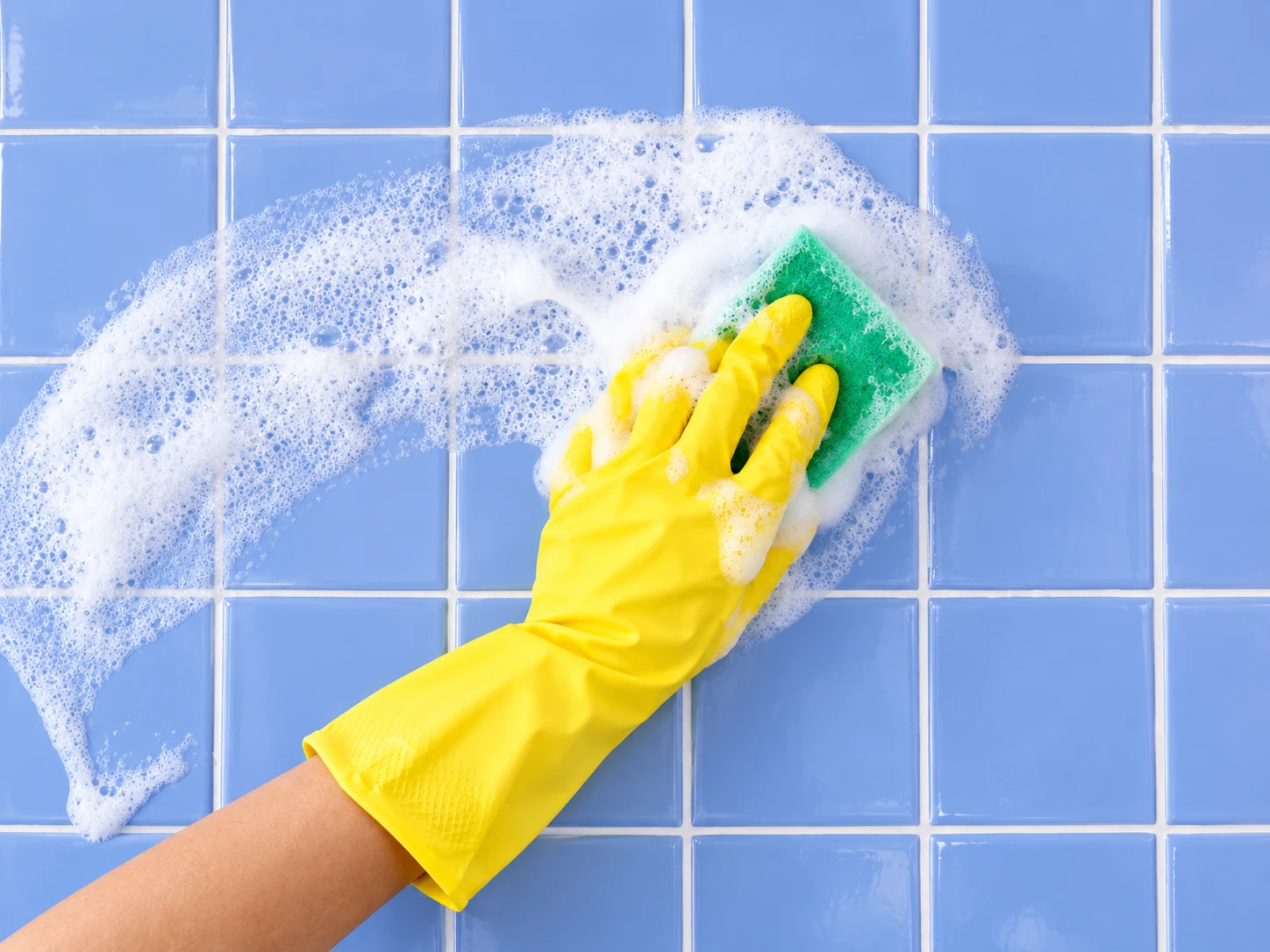
Where to check for mould first
Mould often appears first in warm, damp or poorly ventilated areas. Regular checks of these common problem spots can help you catch early signs before they spread.
- Shower grout and silicone seals
- Changing room ceilings and upper walls
- Window frames and sills
- Behind toilets, under sinks and around pipework
- Cleaners’ cupboards, where damp mops and cloths are stored
How to remove mould properly: a step-by-step guide
Getting rid of mould properly takes a little more than a quick wipe. Follow these steps to ensure a cleaner result that lasts longer:
- Protect your team: Open windows or run an extractor fan, and wear protective gloves. Always read the product label and the safety data sheet before you start.
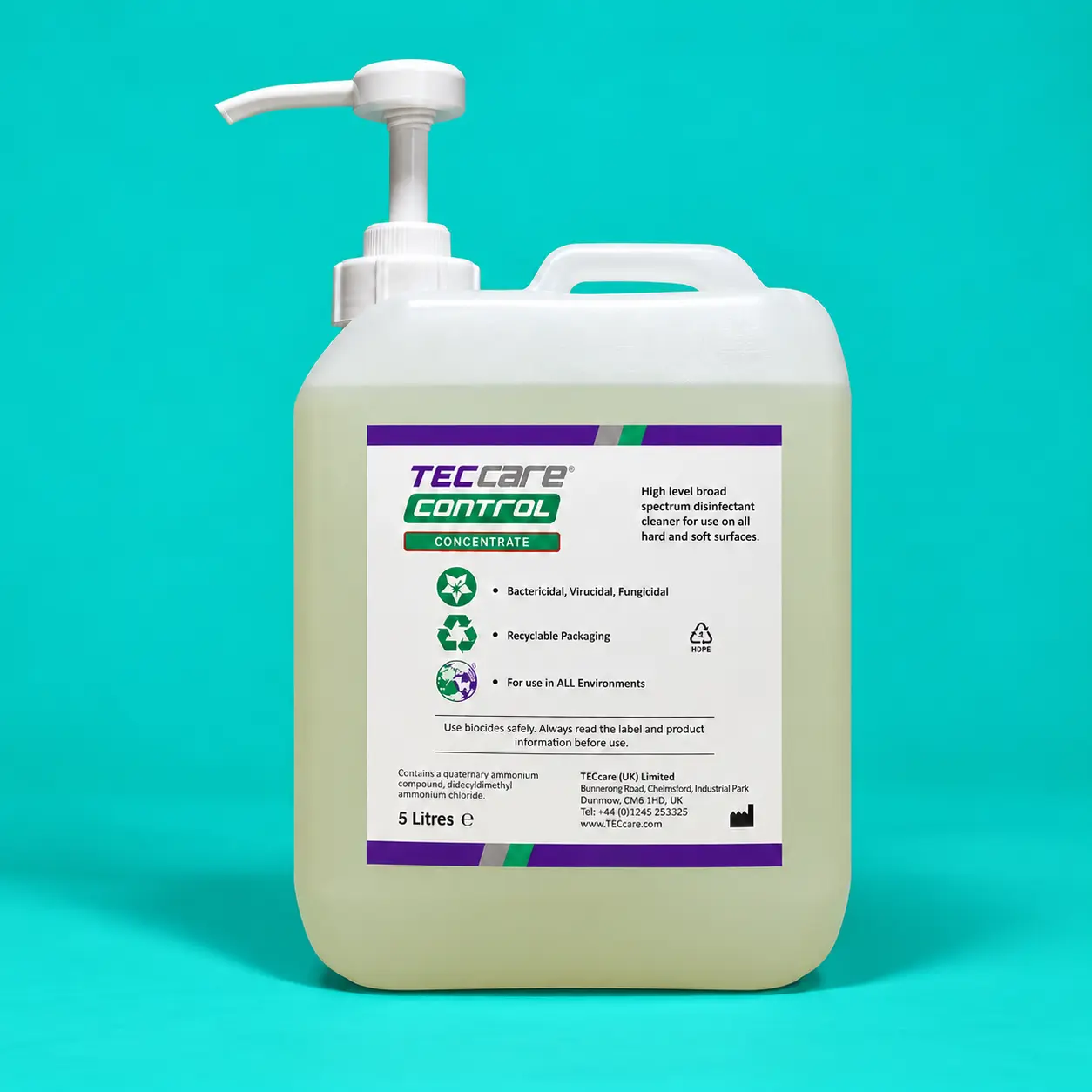
- Clean the surface: Mould often sits on a layer of soap scum and body oils. TECcare® Control Concentrate cleans and disinfects in a single step, and works against bacteria, viruses and fungi. It’s chlorine-free, non-corrosive and safe to use on all surfaces.
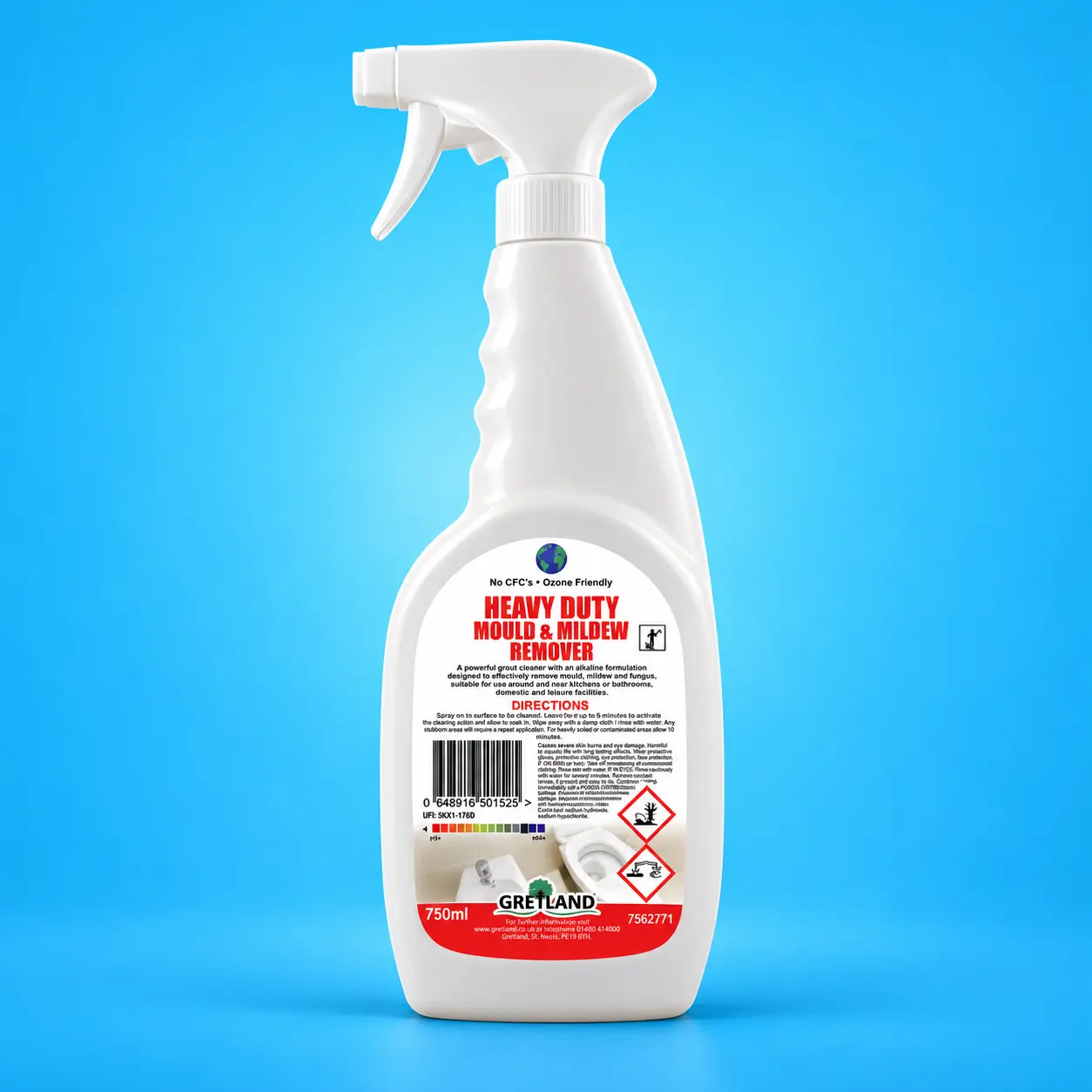
- Treat the mould: On walls, ceilings, window frames and sealant, use a commercial mould remover like Thrive Mouldzap. On grout in showers and changing rooms, use Heavy Duty Mould and Mildew, a foaming cleaner made for washrooms and leisure facilities.
- Give it time to work: Leave the product for the time shown on the label rather than scrubbing straight away. For example, Mouldzap is designed to work without scrubbing, which also avoids spreading spores around the room.
- Dry the area completely: Any moisture left behind is an open invitation for mould to return. Wipe surfaces with a clean, dry microfibre cloth and keep the room ventilated until everything is dry.
- Fix the cause: If ventilation, a leak or a failed seal is to blame, report it so it can be put right. Cleaning deals with the symptom; only fixing the cause stops it for good.
Why choose a chlorine-free mould remover?
Traditional bleach-based sprays can strip colour from grout, sealant and fabrics, and their fumes build up quickly in small, enclosed rooms.
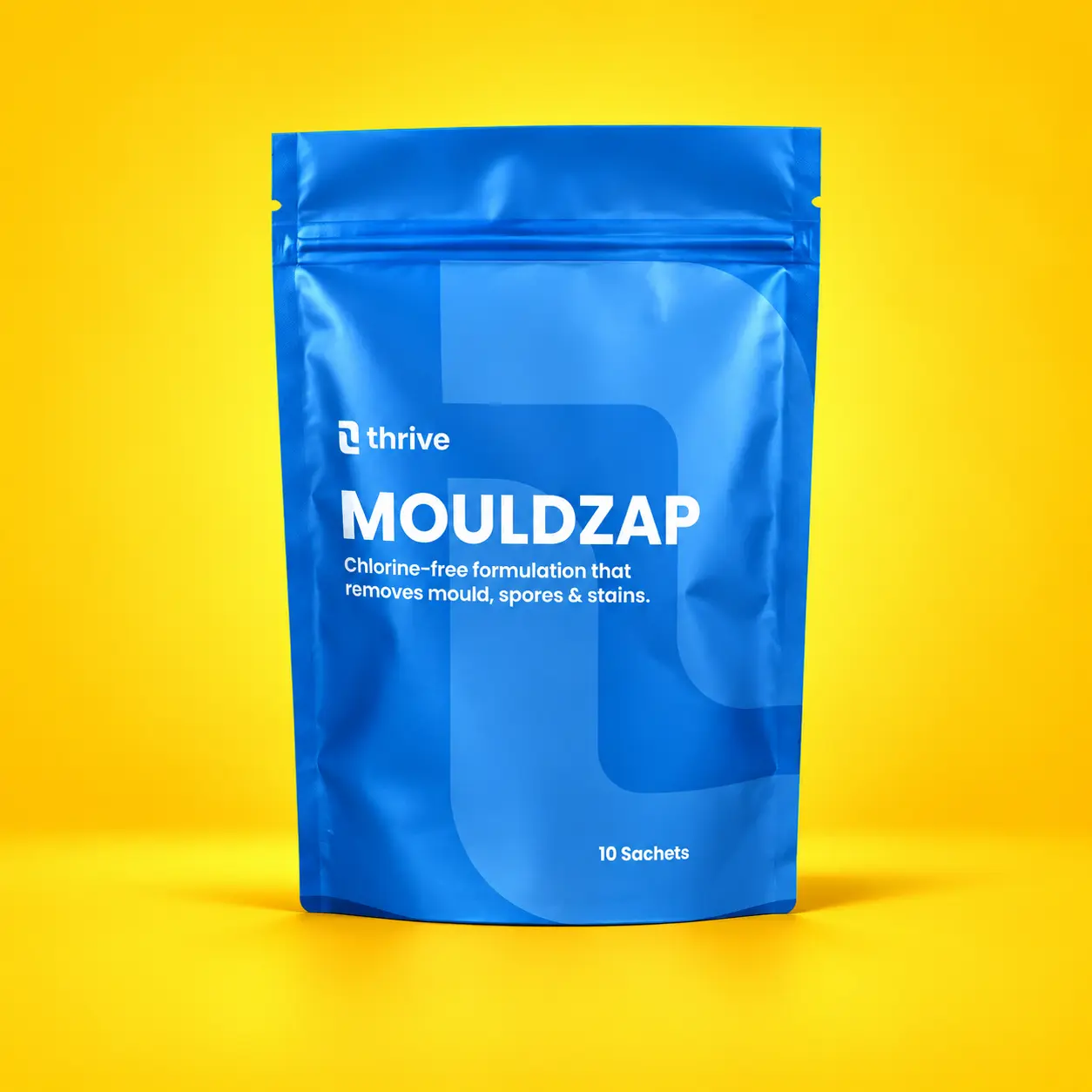
Thrive Mouldzap uses a pH-neutral, oxygen-based formula that removes mould stains without bleaching or fading. That makes it a commercial mould remover which is a better fit for busy sites that need to reopen rooms quickly.
How to stop mould coming back
Prevention comes down to one thing: keeping surfaces dry. These habits make the biggest difference:
- Keep the air moving: Check that any extractor fans are on, clean and running long enough after busy periods. Leave windows ajar where it is safe to do so.
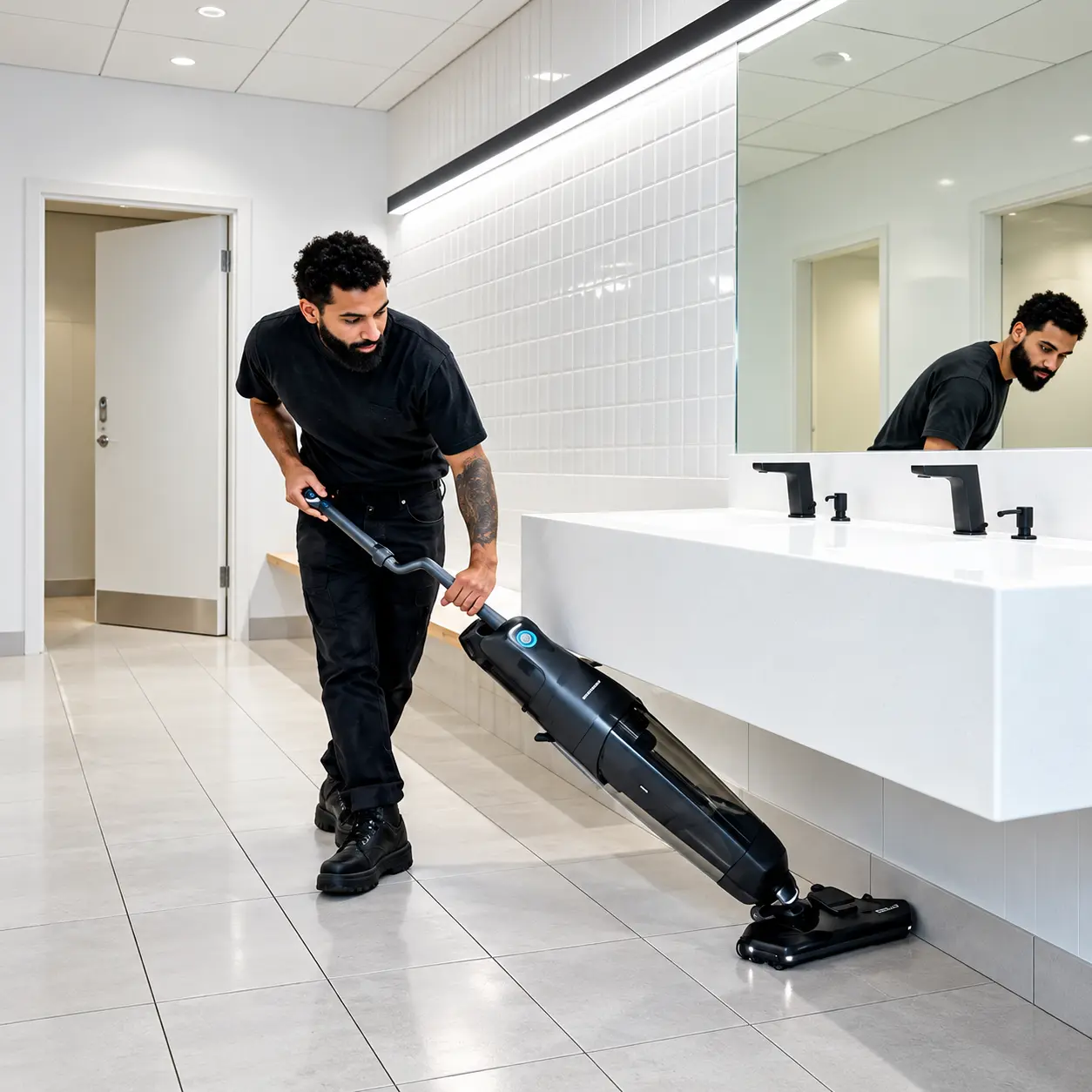
- Dry floors, don’t just mop them: A mop can leave a film of water that takes hours to dry. An upright scrubber-dryer such as the DRYFT washes and dries the floor in a single pass, reaching corners and under cubicle partitions where damp lingers.
- Clean little and often: Add a regular clean of showers, walls and sealant using TECcare® Control to your routine. It’s easy to dose from the concentrate using the TECcare® Control Dispensing Bottle, and one 5-litre concentrate can make up to 1,250 bottles.
- Treat hotspots before they spread: Keep Mouldzap and its trigger bottle on hand for the first signs of spotting on grout, ceilings and window frames.
- Look after your kit: Wring out microfibre cloths, launder them regularly and let mops dry fully before storing them. A damp cleaners’ cupboard can become a mould source in its own right.
- Inspect seals: Replace silicone that’s cracked or permanently stained. Mould in the sealant itself is very hard to shift and returns quickly even after cleaning.
Purozo’s mould control products at a glance
Browse the full Mould Control range, or explore our wider specialist cleaning products for drains, odours and more:
Frequently asked questions about mould
Learn more about what causes mould, how to prevent it and the best ways to keep it under control.
1. Why does mould keep coming back after cleaning?
Mould can return after cleaning because the moisture feeding it is still there. Cleaning removes the mould you can see, but unless the area is dried and ventilated properly, spores will grow back. Pair a good mould remover with better ventilation and drier floors.
2. Is black mould on grout dangerous?
Mould of any colour can affect health, particularly for people with asthma or other breathing conditions. Treat it promptly, protect your team while cleaning, and deal with the underlying damp.
3. Can I use bleach on mould?
Bleach can lighten stains, but it can also discolour grout, sealant and fabrics, and its fumes are unpleasant in small rooms. A chlorine-free, oxygen-based product like Thrive Mouldzap removes mould stains without bleaching or fading.
4. How often should washrooms be treated for mould?
It depends on how busy and damp the space is. A regular clean with TECcare® Control keeps surfaces clean day to day, with Mouldzap on hand for any spotting. Check high-risk areas at least weekly in autumn and winter.
Need help choosing the right mould treatment?
Every site is different. Tell us about your washrooms, changing rooms or problem areas and our team will recommend the right products for the job. Speak to our team or shop the Mould Control range to start tackling mould in your washrooms.