Skip to Content
Retail & Shopping Centres

Cleaning Machines
for Retail

Commercial cleaning machines for shops, supermarkets, shopping centres and retail parks, built for wide sales floors, busy entrances and aisles that carry customers from open until close.

Explore scrubber dryers, floor sweepers and autonomous cleaning robots that keep the shop floor presentable and dry underfoot, without closing an aisle or waiting until the doors are locked.

Sales floors &
aisles
Entrances &
checkout areas
Cleans during
trading hours
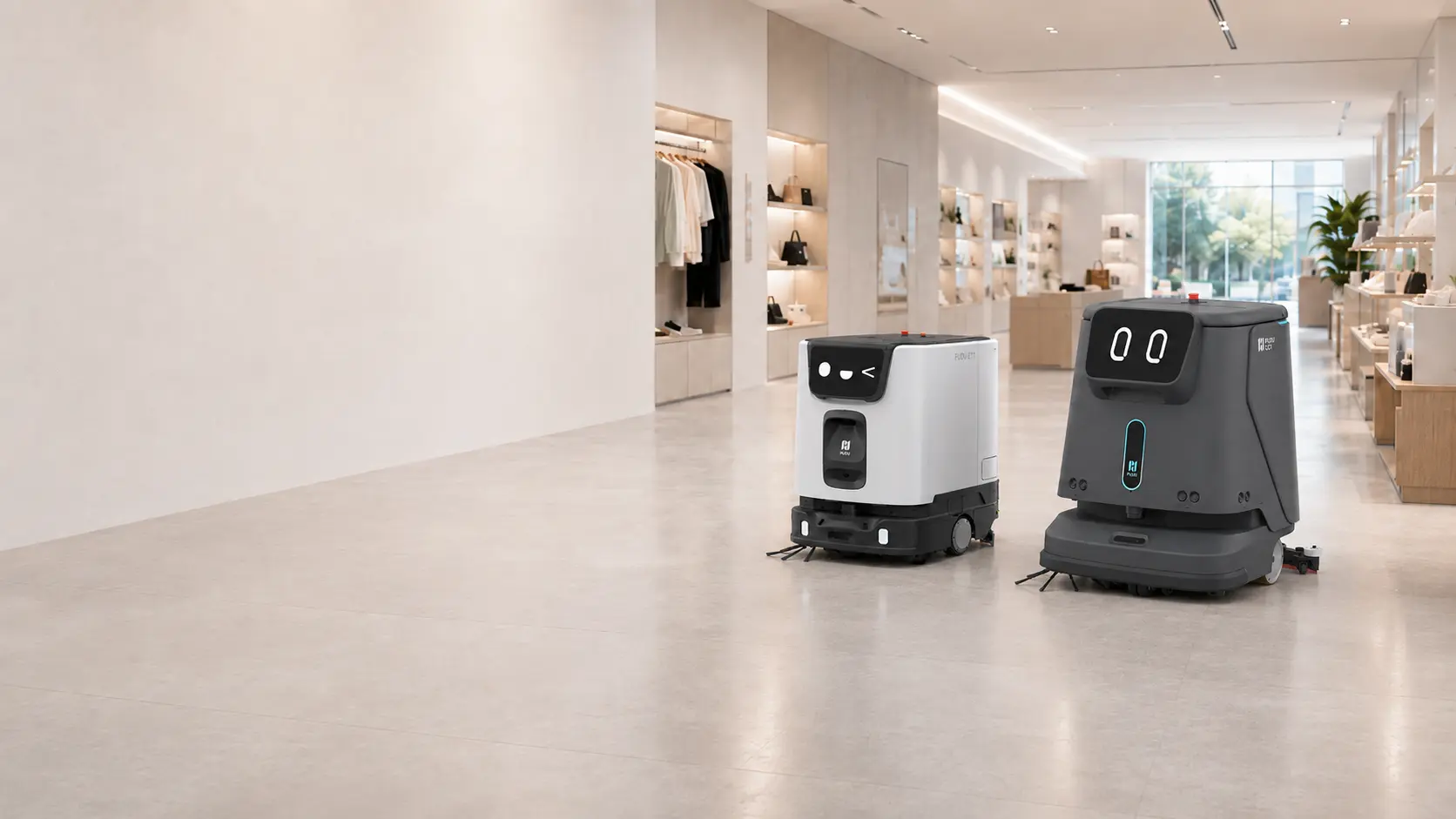
PUDU CC1 and PUDU ET1 cleaning machines working in a retail store aisle

Cleaning Machines for Shops, Supermarkets and Shopping Centres

A retail floor is judged every minute it is open, and it takes a beating: rain and grit walked through the doors, trolley wheels, dropped stock and spills that have to be dealt with before anyone slips. There is rarely a quiet hour to clean in either. These autonomous cleaning machines work the sales floor while you trade, leaving it dry enough to walk on straight behind them.

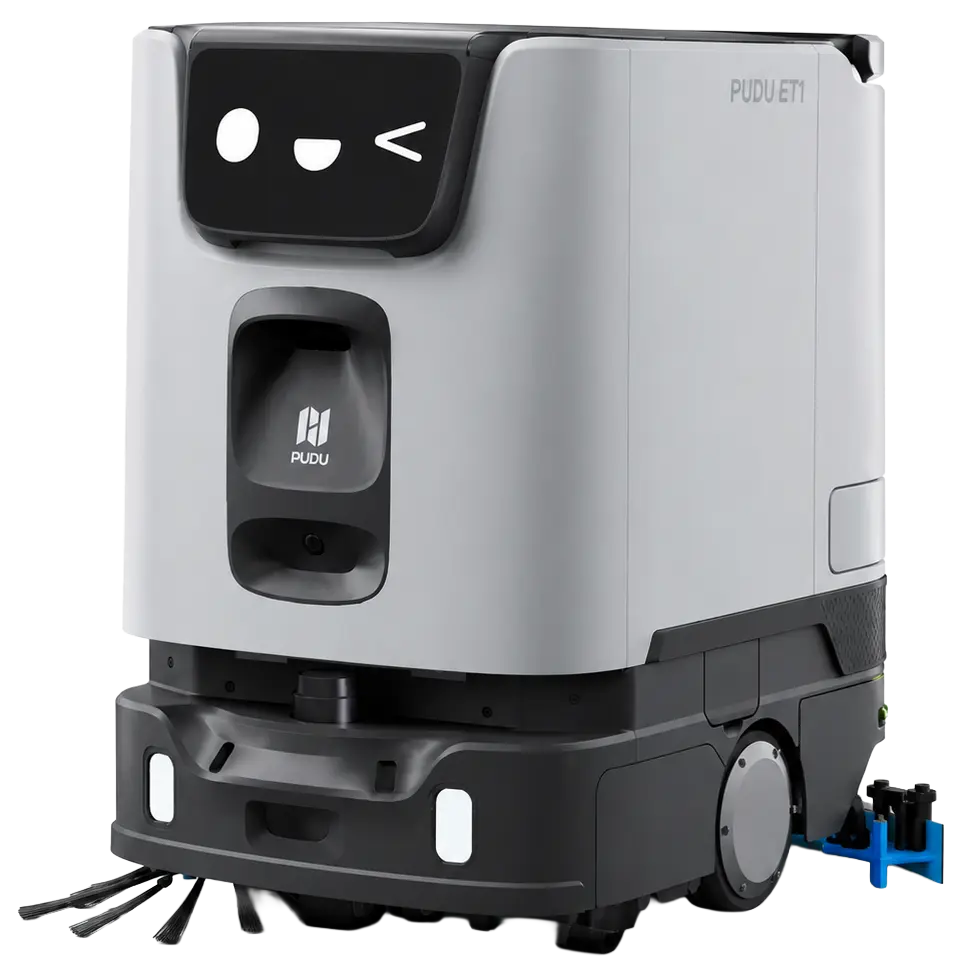
PUDU ET1 robotic scrubber dryer for retail floors

Robotic Scrubber Dryer

PUDU ET1

Best for hard-floor sales areas, entrances and mall walkways. Hot water up to 85°C shifts what customers walk in, and the self-cleaning station means staff are not tied up rinsing tanks when the store closes.

View the PUDU ET1
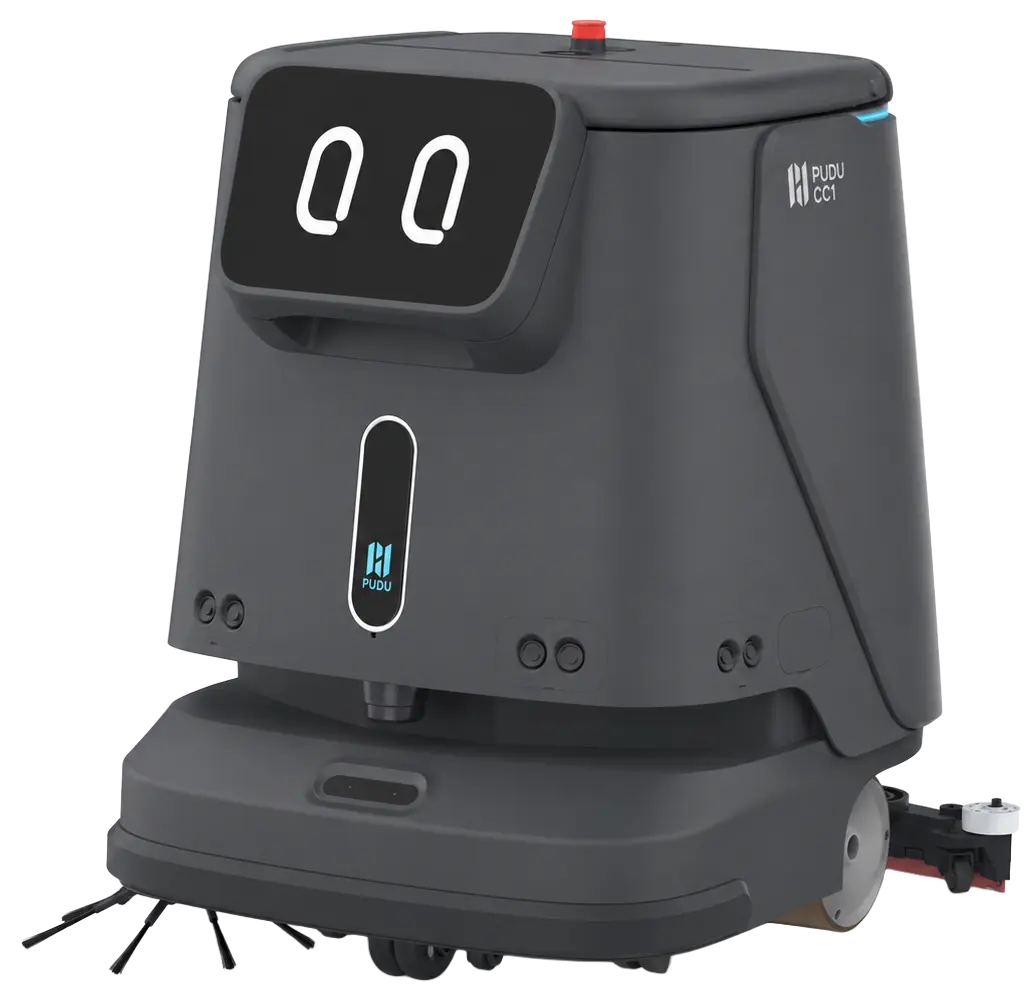
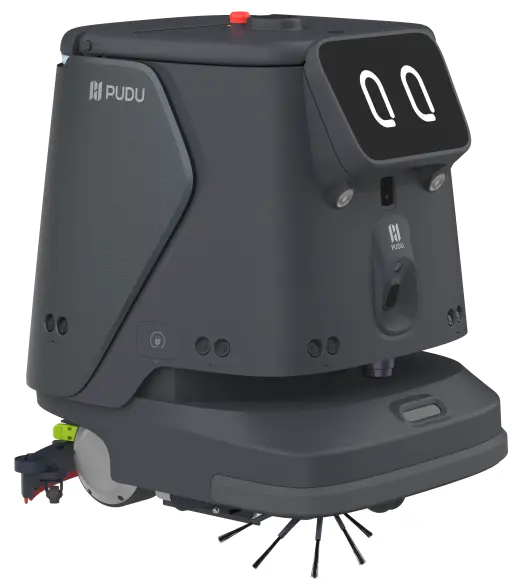
PUDU CC1 autonomous cleaning robot for shops and supermarkets

AI-Powered Cleaning Robot

PUDU CC1

Best for stores with more than one floor finish. It sweeps, scrubs, vacuums and dust-mops, so tiled aisles, a carpeted department and the walkway between them are covered by one machine instead of three pieces of kit.

View the PUDU CC1
PUDU CC1 Pro intelligent cleaning robot for shopping centres

Intelligent Cleaning Robot

PUDU CC1 Pro

Best where spills are part of the day. AI spot scrubbing finds and works on marks rather than passing over them, which suits supermarket aisles, food-to-go areas and entrances after a wet morning.

View the PUDU CC1 Pro

Where Cleaning Robots Work in Shops and Shopping Centres

Retail is one building with several very different floors: the doorway that catches everything off the street, the sales floor customers judge you on, and the few square metres around the tills that get looked at more closely than anywhere else. Autonomous scrubber dryers and cleaning robots take the large, repetitive areas during trading hours, so your team stays free for spills, shelf edges and the jobs that cannot wait.

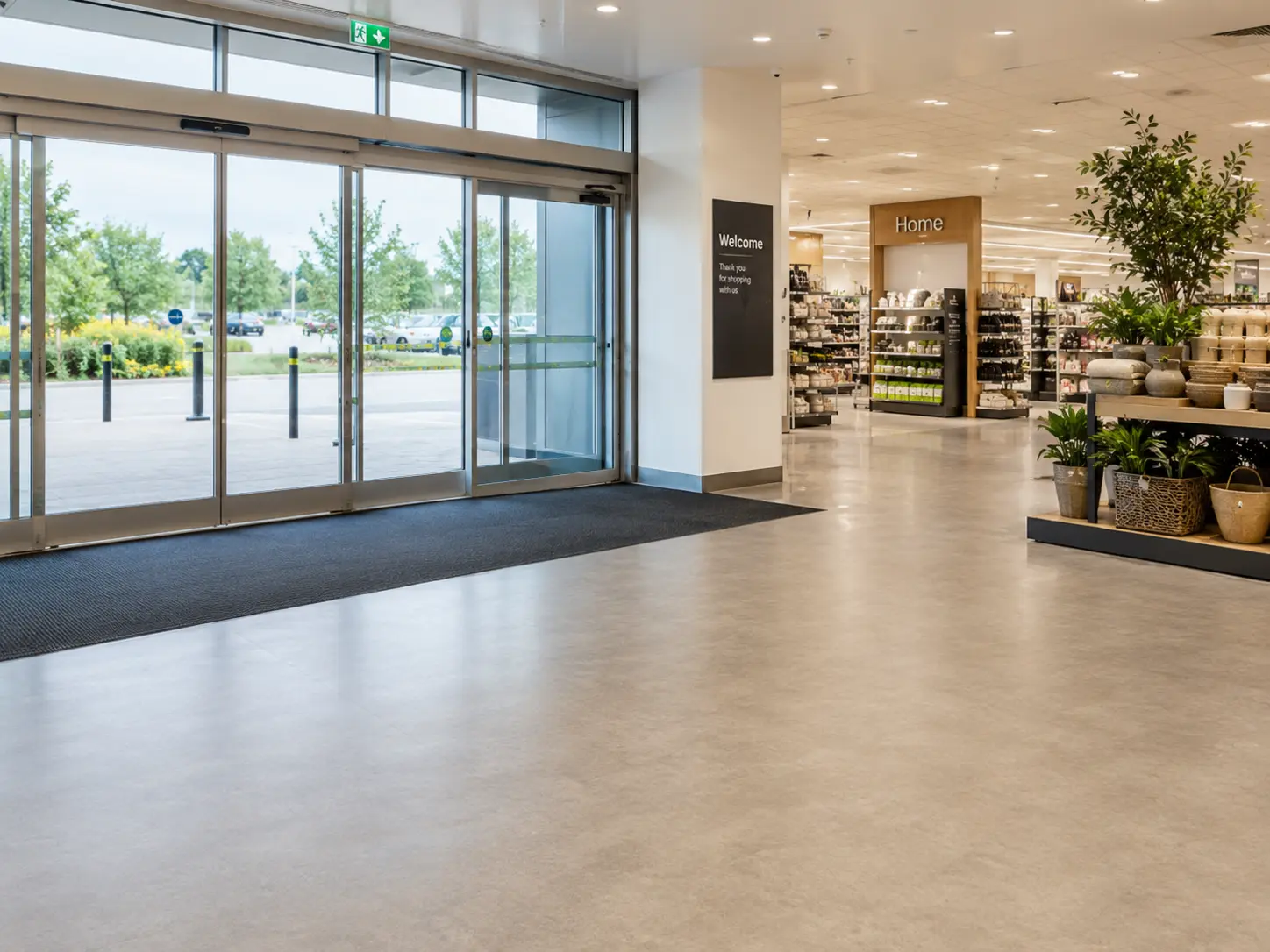
Shop entrance and doorway with a hard floor

Entrances and Doorways

Everything arrives through here: rain, grit, leaves and trolley wheels. It is also where slips happen. Cleaning the entrance often and drying as you go stops most of it being walked across the rest of the shop floor.

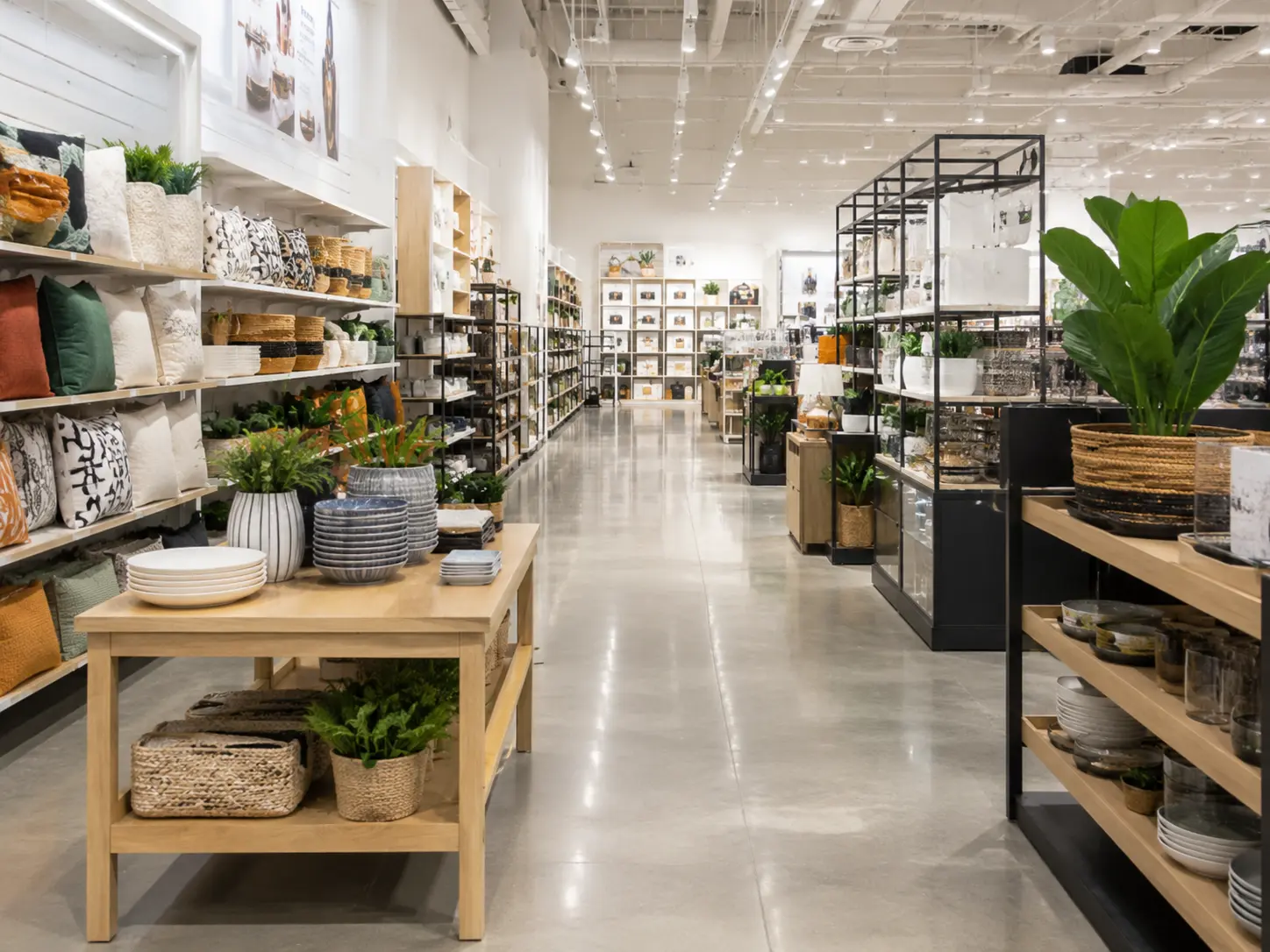
Retail sales floor and aisle being cleaned

Sales Floors and Aisles

The floor customers judge you on, and the one you can rarely close. A robotic scrubber dryer works aisle by aisle on a set route and lifts the water as it goes, so there is no coned-off section in the middle of trading.

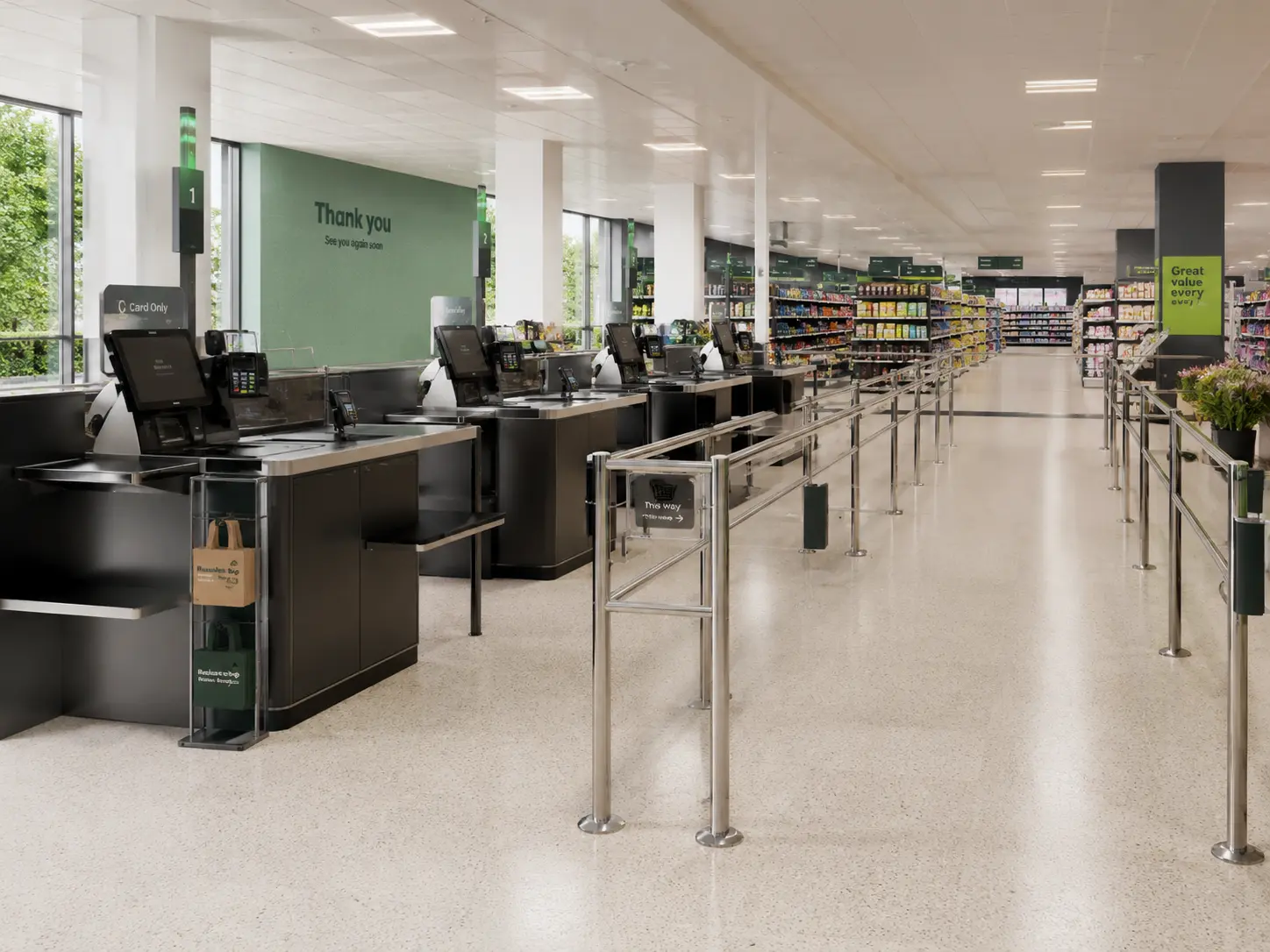
Checkout and queueing area in a shop

Checkouts and Queue Areas

Concentrated footfall in a small space, with dropped packaging and spilled drinks on top. These few square metres take more standing traffic than anywhere else in the shop, and customers spend the longest looking at them.

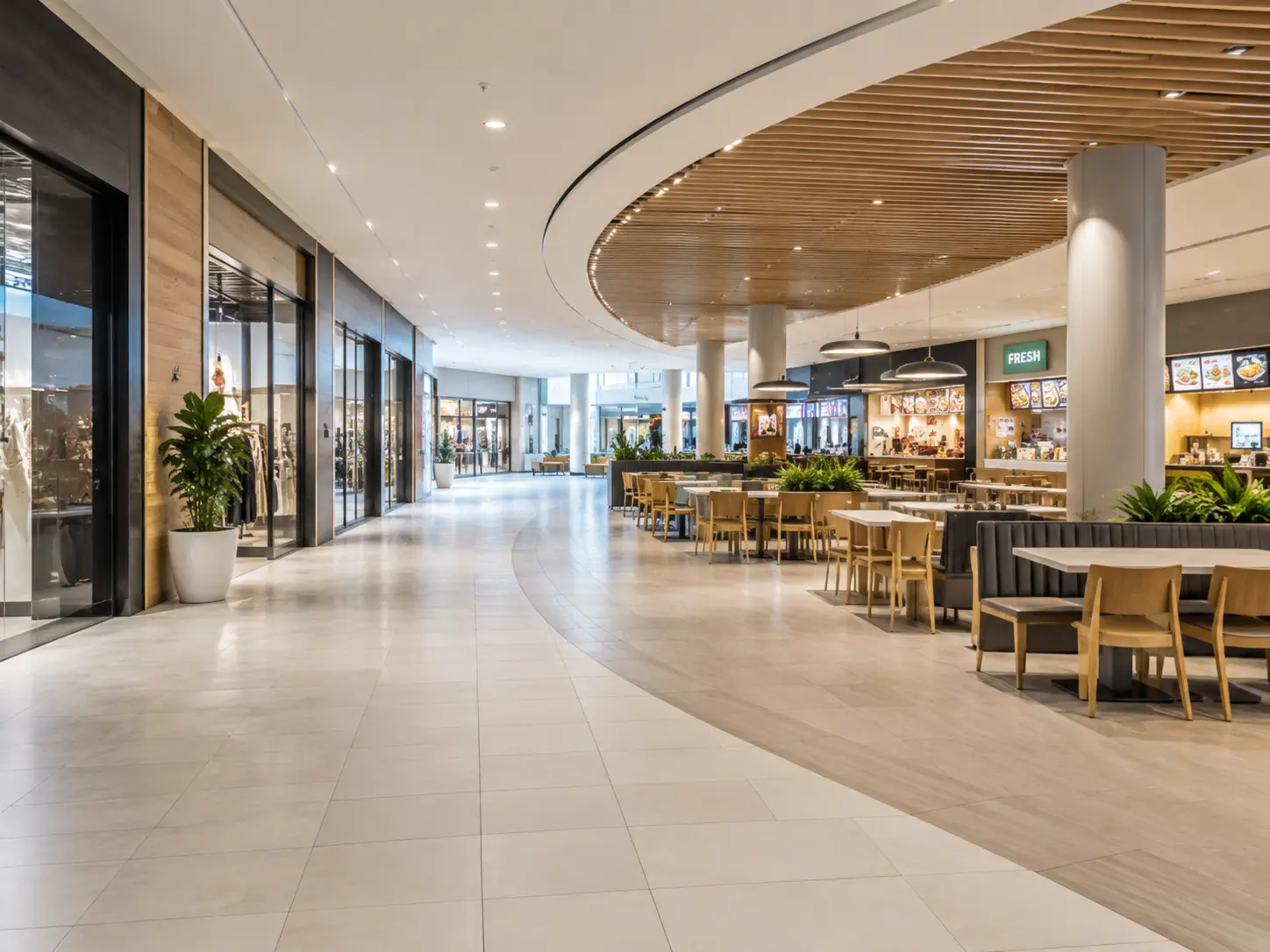
Shopping centre walkway and food court

Centre Walkways and Food Courts

Shopping centres add long walkways and food courts, where dropped food and grease meet a floor that has to look presentable from opening to close. Large-area machines cover the distance without adding hours to the shift.

Buying Guide

How to Choose a Cleaning Machine for Your Shop

Retail has one constraint the other sectors do not: customers are in the building while you clean. That rules some machines out before you have looked at a single specification. Start with your floor finishes and your trading hours, then work through the five points below.

Not sure which machine suits your shop?

Send us your floor area, the finishes you have and your trading hours, and we will come back with two or three options and the reasons for each. We can also demonstrate a machine on your own floor.

Book a Consultation

01 Hard Floors and Constant Footfall

Vinyl, tile, sealed concrete and polished stone all take a beating in a shop, and mopping simply moves dirty water around a floor people are still walking on. A scrubber dryer lays water down, scrubs and lifts it again in one pass, which is what keeps a sales floor both clean and dry underfoot.

02 Cleaning While You Trade

Very few shops can clean the whole floor after close, so the machine has to work with customers around it. Two things decide whether that is comfortable: how dry the floor is behind it, and how loud it is. Check the noise rating and whether there is a quiet mode before you look at tank sizes.

03 Aisle Width, Displays and Clutter

Measure your narrowest trading aisle, then think about what sits in it: dump bins, promotional stands, stock cages during a replen. A machine needs a clear path to pass, and in retail that path changes week by week as the layout does. Compare how well a machine reads and routes around obstacles.

04 Carpeted Areas and Back of House

Fashion and homeware floors often sit on carpet, and most shops have a carpeted office or staff room behind the scenes. That is a vacuum job rather than a scrubbing one, so check whether one machine covers both surfaces or whether you need a robot vacuum alongside the scrubber dryer.

05 Docking, Power, Water and Waste

The part most sites forget. The machine needs somewhere to live out of the customer sightline: a socket, a spot in the stockroom, and access to a tap and a drain for filling and emptying. In a shopping centre unit that can need the centre management team on side, so settle it before delivery rather than after.

Retail Cleaning Machine FAQs

Straight answers to what shop managers, supermarket teams and shopping centre operators ask us before putting a cleaning machine on the sales floor.

1.Do cleaning robots actually work in a shop?

On the right floor, yes. A robot is very good at large, open, repeatable areas and poor at cluttered ones. Wide aisles, entrance areas and centre walkways are where it earns its keep; dump bins, promotional stands and stock cages left out during a replen all cost coverage. Judge it on the floor it can cover uninterrupted rather than on the specification.

2.What is the best cleaning machine for a shop floor?

For hard floors, a scrubber dryer. Mopping spreads dirty water across a floor customers are still walking on, whereas a scrubber dryer lays clean water down, scrubs and lifts it again in one pass. See scrubber dryers for walk-behind, ride-on and robotic options.

3.Can you use a scrubber dryer while the shop is open?

Yes, and that is the main reason retailers buy one. Because the machine recovers the water as it goes, the floor behind it is dry enough to walk on immediately, so you are not coning off an aisle mid-trade. Wet floors are one of the most common causes of slips in retail, which makes drying as you clean the point rather than a bonus. See robotic scrubber dryers.

4.Are cleaning robots safe around customers and trolleys?

They are built for shared space. 3D perception and multi-sensor navigation let a machine detect people, trolleys and pushchairs, slow down and route around them. Most retailers still keep the machine out of the busiest areas at peak trade and run those parts of the floor early or late.

5.How often should a shop floor be cleaned?

Entrances and tills take the most footfall and usually need attention through the trading day, not just once at close. The wider sales floor is commonly done daily, with a deeper scrub on a longer cycle. The advantage of an autonomous machine is that more frequent becomes realistic rather than aspirational.

6.Can a cleaning robot clean carpeted areas of a shop?

Carpet is a vacuum job rather than a scrubbing one, so check what each machine covers. Some cleaning robots handle both surfaces in one pass, while fashion and homeware floors with a lot of carpet are often better served by a commercial robot vacuum. See robot vacuums.

7.Will a cleaning robot replace our cleaning team?

No, and anyone telling you otherwise is selling something. A robot takes the open floor, which is the most time-consuming and least skilled part of the job, so your team stays free for spill response, shelf edges, washrooms and the detail a machine cannot reach. It changes what the team does rather than how many of them you need.

8.How do commercial cleaning robots work?

They map the space once, then repeat it. On the first run someone walks the machine round while it builds a map using LiDAR and cameras. After that you set the routes and the times, and it runs them unattended, returning to its dock to charge. Each run is logged in the app, so you can see what was covered and when. Compare models on the cleaning robots page.

Still have a question about your shop?

Ask us anything about the machines above, or see one working on your own floor.

Arrange a Demo
Purozo retail cleaning machine specialist

Find the Right Cleaning Machine for Your Shop

Tell us your floor area, the finishes you have and your trading hours, and we will shortlist the scrubber dryers and cleaning robots that suit your shop, along with the ones that would not.

Book a Consultation
Demonstrations on your own shop floor
Training for your cleaning team
Servicing and maintenance support