Skip to Content
Commercial & Industrial Cleaning Machines

Cleaning Machines
by Environment

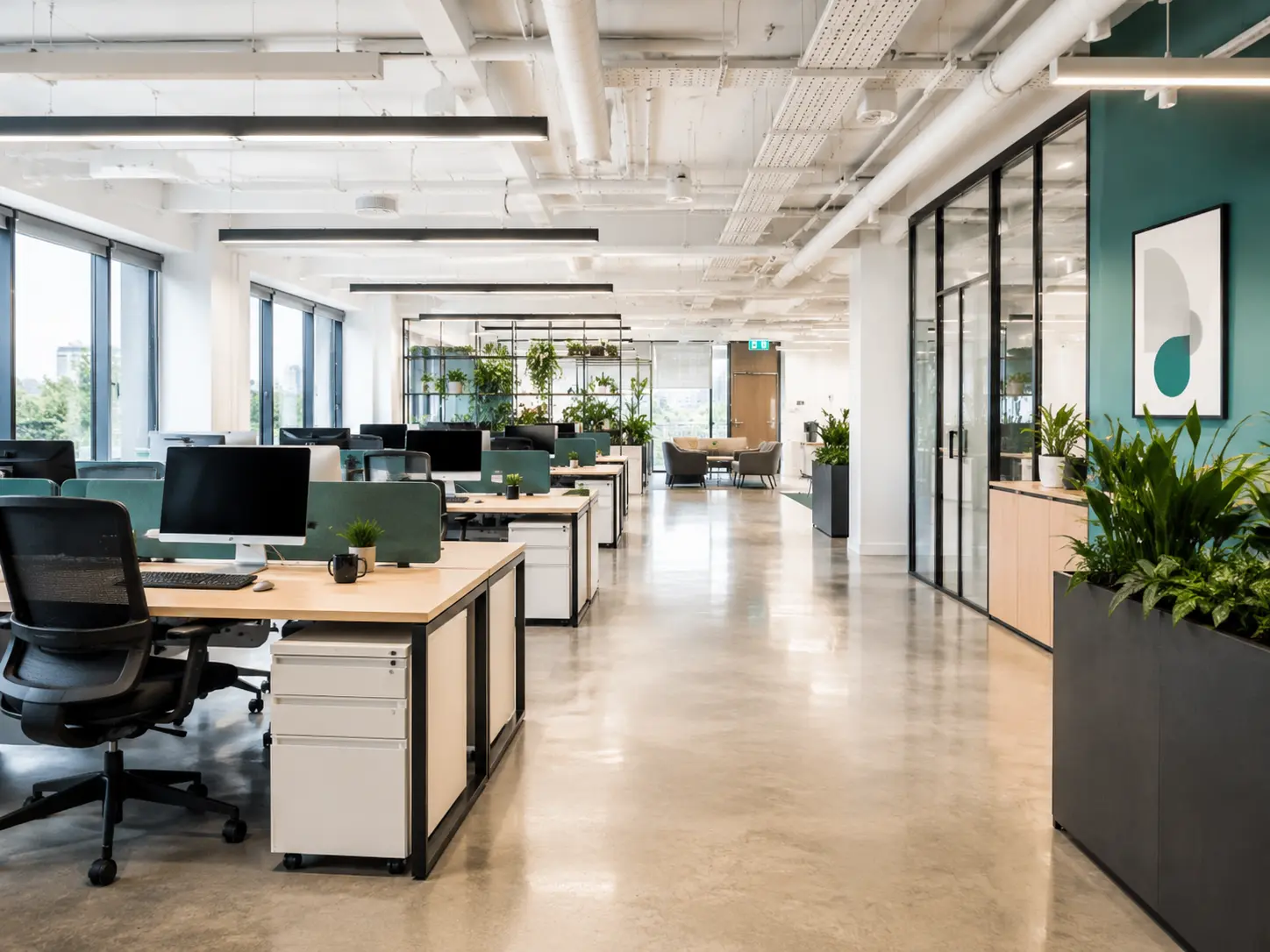
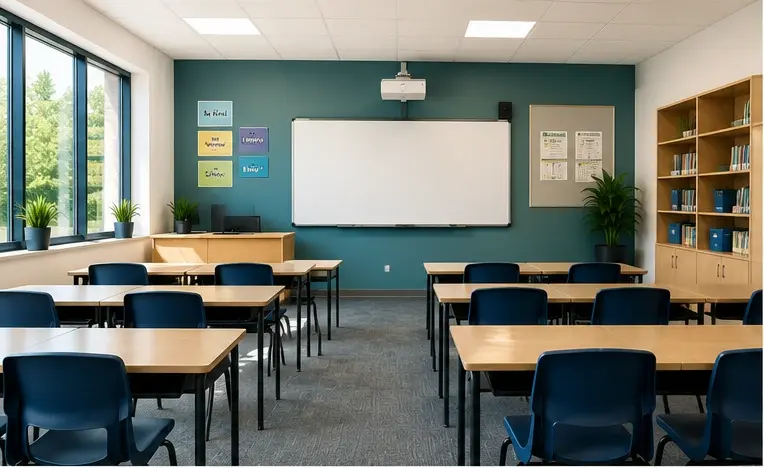
The right machine depends on the building it works in. Explore commercial and industrial cleaning machines for schools and colleges, hotels and venues, offices and co-working spaces, shops and shopping centres, and warehouses and distribution hubs.

Scrubber dryers, floor sweepers, robot vacuums and autonomous cleaning robots, matched to your floor surfaces, your cleaning window and the people who use the building while you work.

Scrubber dryers,
sweepers & robots
Demos on your
own floor
Training &
servicing support
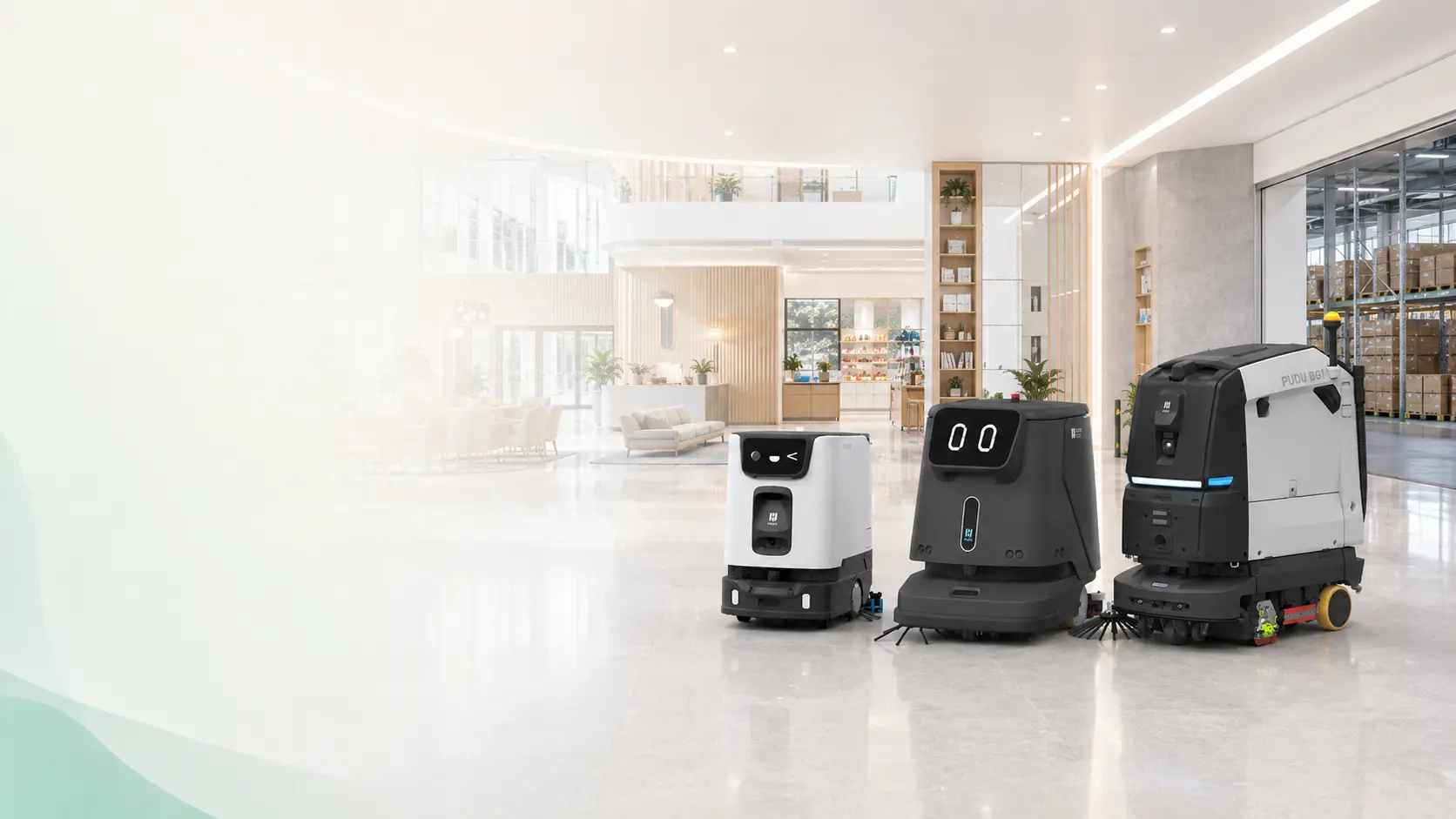
Purozo commercial cleaning machines and cleaning robots working across different environments

Cleaning Machine Types Compared

A quick way to narrow the range down. Match the mess you are dealing with to the surface it is on, then check the area and the hours you can clean in. Most buildings end up with two machines rather than one.

Comparison of commercial and industrial cleaning machine types by what they remove, floor type, typical area and when they can run
Machine type What it removes Floor type Typical area When it can run
Sweepers Dry debris: dust, grit, litter and packaging Hard floors Medium to very large Any time, including while the building is in use
Scrubber Dryers Ground-in dirt, marks and spills Hard floors Small to very large, depending on upright, walk-behind or ride-on Any time — the floor is dry enough to walk on behind the machine
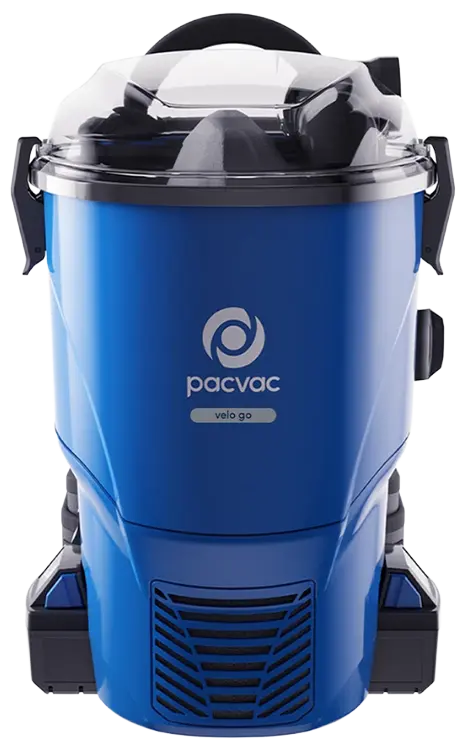
Vacuum Cleaners Dust and dry debris from carpet Carpet, and hard floors with the right tool Small to large Usually before or after occupied hours, for noise
Carpet Cleaners Spills, stains and traffic lanes worked into the fibres Carpet and upholstery Spot cleans and periodic deep cleans Out of hours — carpet needs drying time
Cleaning Robots Repeat coverage of open floor, to the same standard every run Hard floors, carpet or both, depending on the model Large, open, repeatable areas Scheduled and unattended, including overnight

Scroll the table sideways to see every column.

Buying Guide

How to Choose a Cleaning Machine

Whatever the building, the same four questions narrow the range down quickly. Work through them in order and you will usually end up with two or three sensible options rather than a catalogue.

Not sure where to start?

Tell us your building, the floor finishes you have and the hours you can clean in, and we will come back with two or three options and the reasons for each. We can also demonstrate a machine on your own floor.

Book a Consultation

01 What Is Actually on Your Floor

Cleaning splits into two jobs. Loose debris such as dust, grit, cardboard and litter is a sweeping job. Anything walked in and ground into the surface has to be washed off, which is what a scrubber dryer does: it lays water down, scrubs and lifts it again in one pass. Most buildings need both, at different frequencies.

02 Hard Floors, Carpet or Both

Work out the split before anything else, because it decides the machine type outright. Hard floors are scrubbed, carpet is vacuumed and occasionally deep cleaned, and buildings with both on the same level either need two machines or one that covers both surfaces in a single pass.

03 Floor Area and the Cleaning Window

Two numbers matter: your square metres, and the hours you are actually allowed to clean in. Coverage per hour tells you whether a machine finishes inside that window, and battery runtime tells you whether it finishes at all. This is what separates an upright from a walk-behind and a walk-behind from a ride-on.

04 When a Cleaning Robot Makes Sense

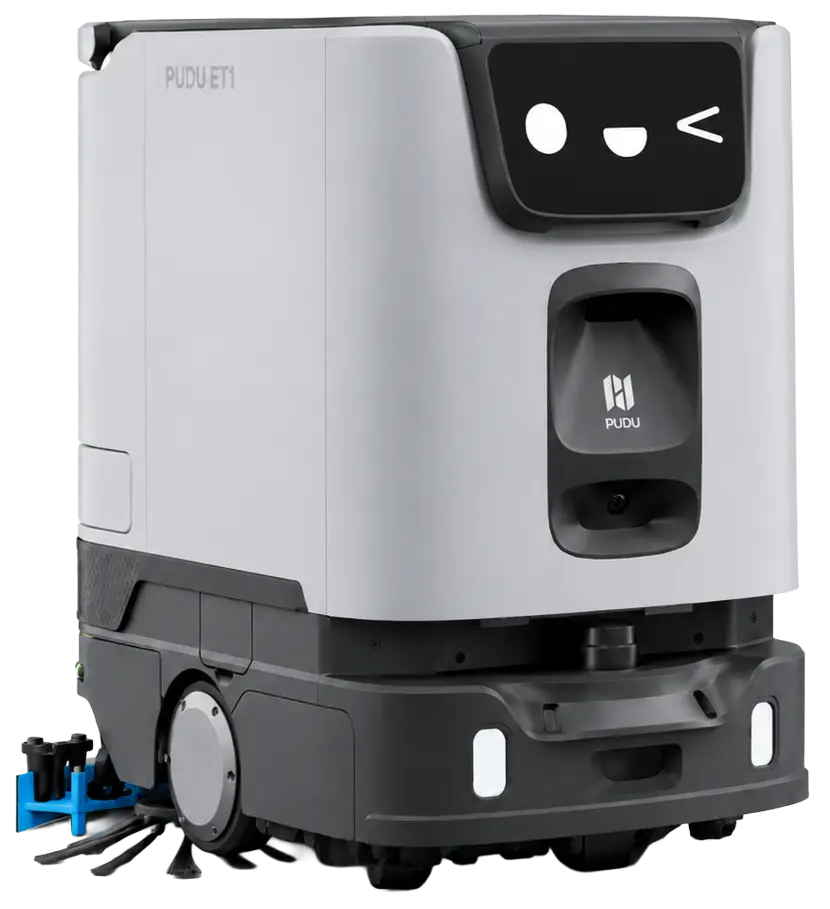
A cleaning robot maps the building once, then repeats set routes on a schedule, returns to its dock to charge and logs every run in the app. That suits large, open, repeatable floors that have to be cleaned to the same standard whoever is on shift. It is less suited to cluttered rooms, tight edges and one-off spills, so most sites run a robot alongside their existing machines rather than instead of them.

Cleaning Machine FAQs

The questions we are asked most often before anyone gets as far as picking a model, whatever the building.

1.What is a scrubber dryer?

A machine that washes a hard floor and recovers the dirty water in a single pass. It lays clean water and detergent down, scrubs with a brush or pad, then lifts the water back up through a squeegee, leaving the floor walkable straight away. That last part is what separates it from a mop. See scrubber dryers.

2.What is the difference between a sweeper and a scrubber dryer?

A sweeper collects dry debris: dust, grit, litter and packaging. A scrubber dryer washes off what has been walked in and ground into the surface. They do different jobs, and most buildings need both, usually sweeping more often than they scrub. See sweepers.

3.Do I need a vacuum or a carpet cleaner?

Both, for different intervals. A vacuum lifts dust and debris from carpet and is the daily job. A carpet cleaner washes the fibres to shift spills, marks and traffic lanes, which is a periodic deep clean rather than a nightly one. See carpet cleaners.

4.Can one machine clean both hard floors and carpet?

Some can. Certain cleaning robots sweep, scrub, vacuum and dust-mop, which covers a tiled reception and a carpeted floor beyond it without a changeover. Where the split is heavily one way, a dedicated machine for each surface usually works out better. See cleaning robots.

5.What is the difference between commercial and industrial cleaning machines?

Mostly scale and build, not category. Industrial cleaning machines are the heavier-duty end of the same range: larger tanks, wider cleaning paths, tougher brushes and longer runtimes, built for warehouses, factories and logistics sites where floors are big and traffic is constant. Commercial machines cover offices, shops, schools and venues, where the floors are smaller and appearance matters as much as durability. Plenty of buildings sit between the two.

6.What size cleaning machine do I need?

Work from your floor area and the hours you can clean in. Coverage per hour tells you whether a machine finishes in that window; battery runtime tells you whether it finishes at all. Broadly, uprights suit small areas, walk-behinds suit medium ones and ride-ons suit large open floors.

7.Which cleaning machine suits my type of building?

It depends less on the industry than on the floors, the traffic and when you are allowed to clean. A warehouse and a hotel need very different machines for exactly those reasons. Pick your building from the environments above for the machines that suit those floors.

8.Can we see a machine working before we commit?

Yes. We demonstrate machines on your own floor, which is more useful than any specification sheet: it shows how the machine handles your surfaces, your layout and the obstacles that are actually in the way on a normal day.

9.Do you provide training and servicing?

Yes to both. We train your team on the machine when it arrives, and we service and maintain the equipment we supply. A machine nobody has been shown how to empty properly is a machine that stops getting used, so the training matters more than it sounds.

10.Is a cleaning machine more hygienic than mopping?

Mechanically, yes. A mop and bucket reuse the same water, so the further round the building you get, the more you are spreading soil rather than removing it. A scrubber dryer lays clean solution down, agitates the floor and lifts the dirty water straight back into a separate tank, so what comes off the floor stays off it.

Purozo commercial cleaning machine specialist

Find the Right Cleaning Machine for Your Building

Tell us your floor area, the finishes you have and the hours you can clean in, and we will shortlist the machines that suit your building, along with the ones that would not.

Book a Consultation
Demonstrations on your own floor
Training for your cleaning team
Servicing and maintenance support