Skip to Content
Offices & Co-Working

Cleaning Machines
for Offices

Commercial cleaning machines for offices, business parks and co-working spaces, covering open-plan carpet, breakout areas, meeting rooms and the reception every visitor walks through.

Explore robot vacuum cleaners, compact scrubber dryers and autonomous cleaning robots that work around desks and hot-desking hours, so floors get done properly without disrupting the working day.

Open-plan floors &
breakout areas
Receptions &
meeting rooms
Cleans outside
office hours
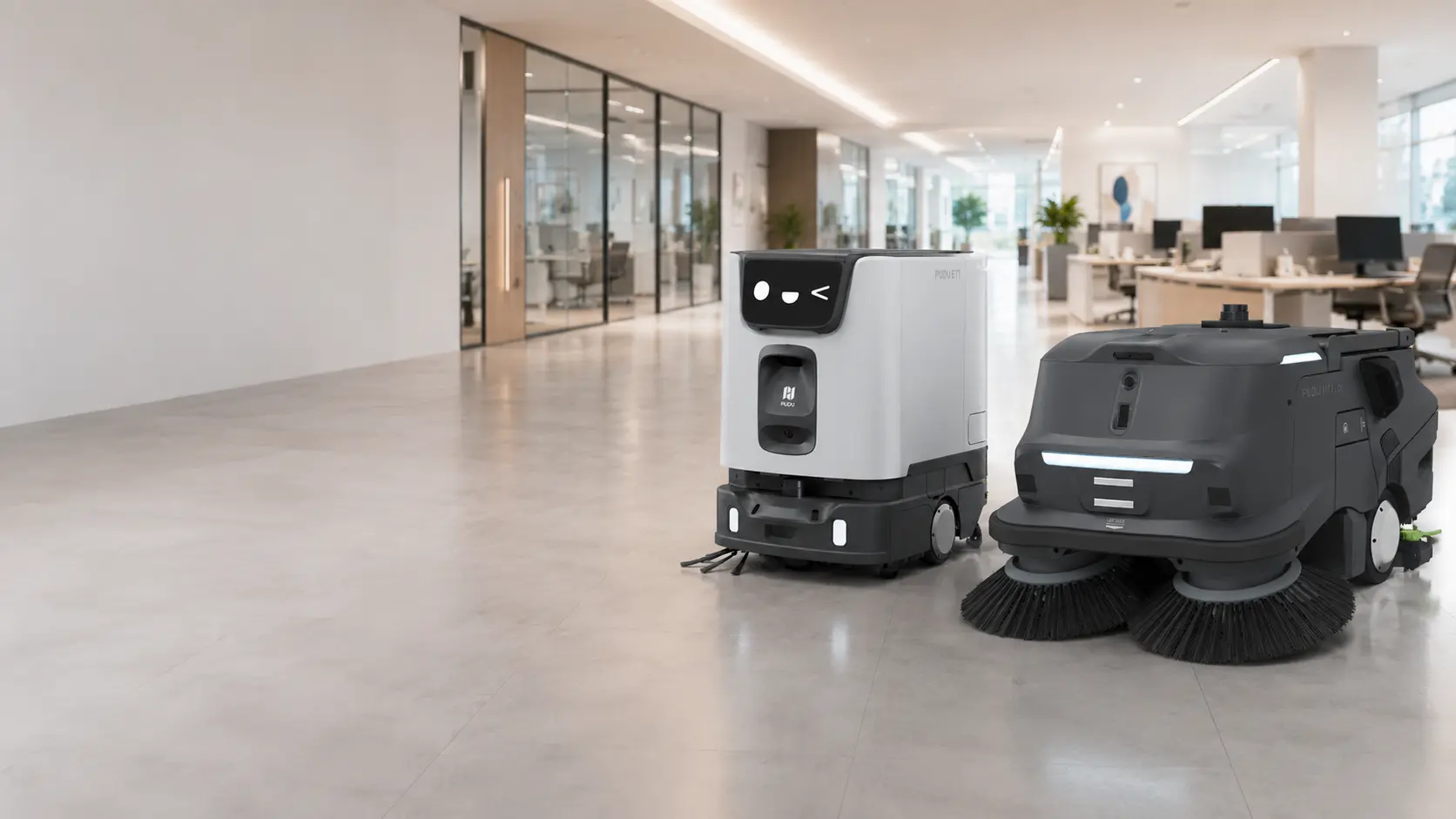
PUDU MT1 Vac and PUDU CC1 cleaning machines working in an open-plan office

Cleaning Machines for Offices and Co-Working Spaces

Office cleaning happens in a narrow window, usually before people arrive or after they leave, and it has to cover two very different surfaces: carpet across the open-plan floor and hard floors in reception, teapoints and circulation areas. These autonomous cleaning machines handle the repetitive floor work on a set schedule, so the cleaning team can spend its hours on desks, washrooms and the details that people actually notice on a Monday morning.

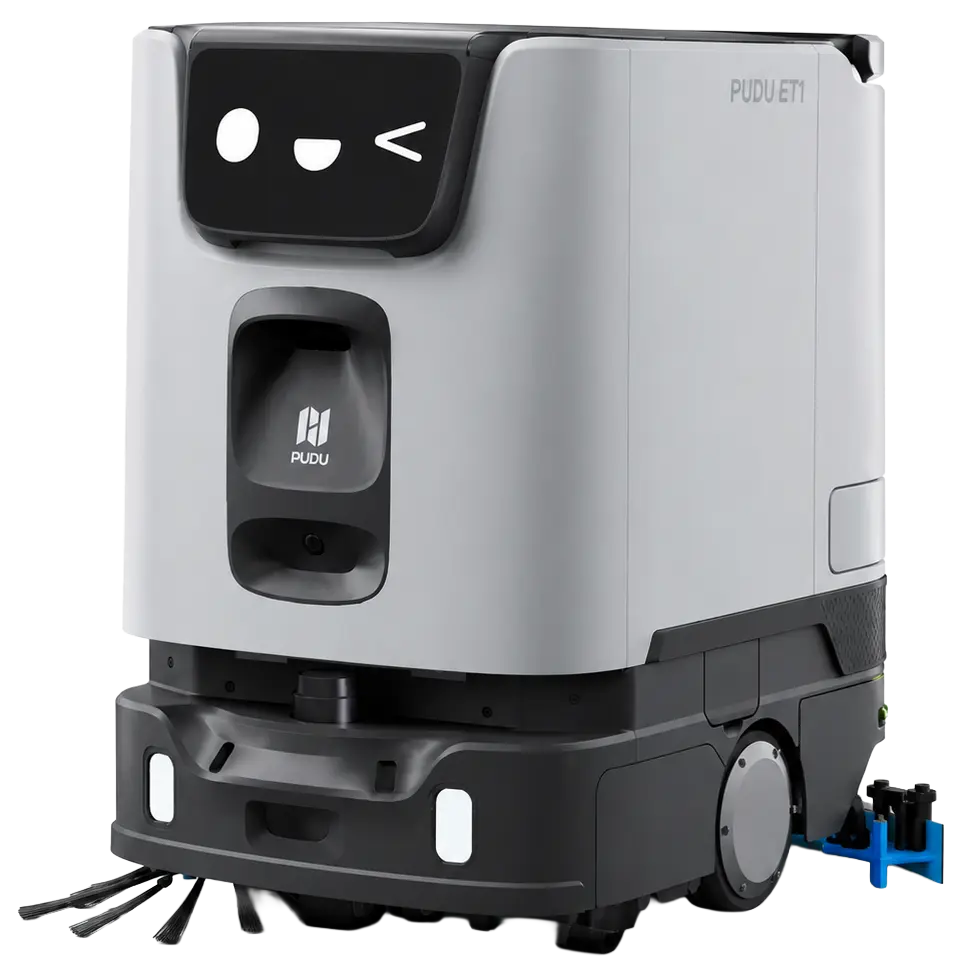
PUDU ET1 robotic scrubber dryer for office floors

Robotic Scrubber Dryer

PUDU ET1

Best for the hard floors visitors see: reception, atriums, lift lobbies and circulation routes. Hot water up to 85°C and a self-cleaning station mean it looks after itself, so nobody has to empty a machine before the first meeting of the day.

View the PUDU ET1
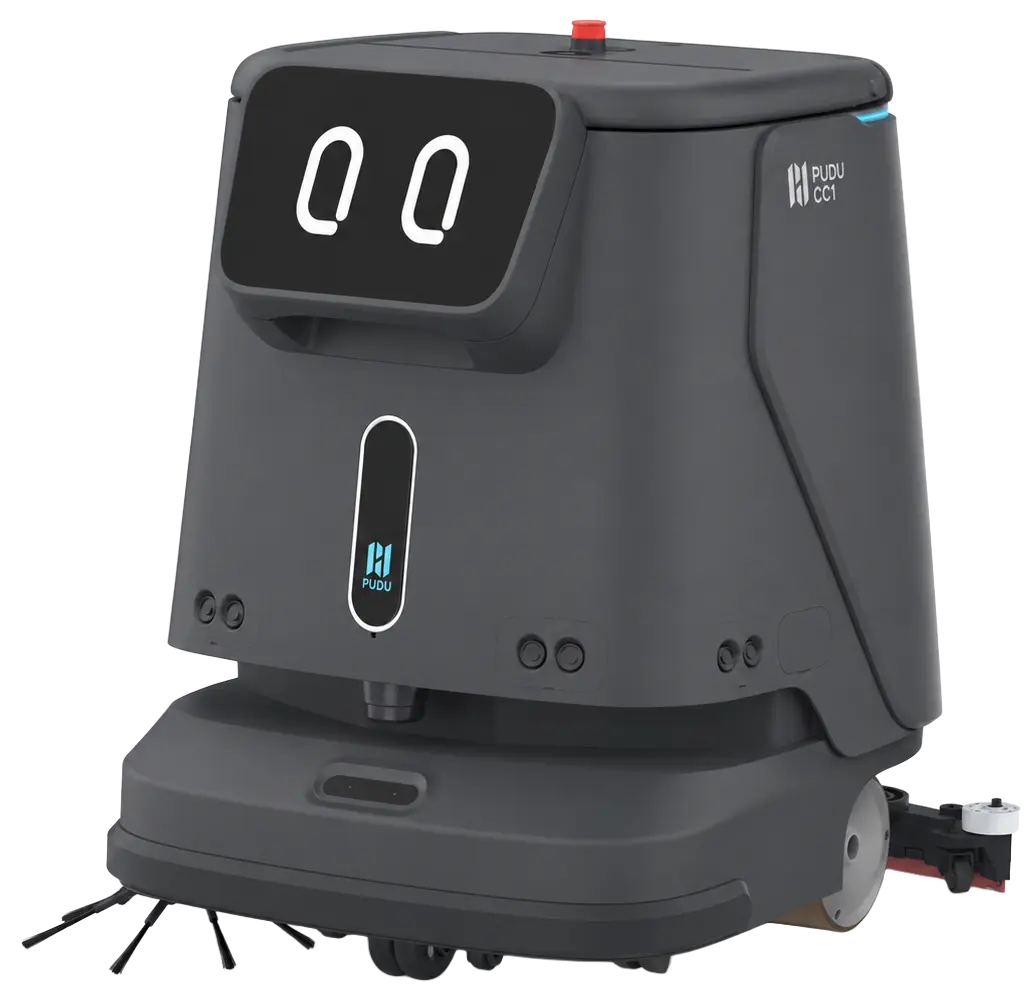
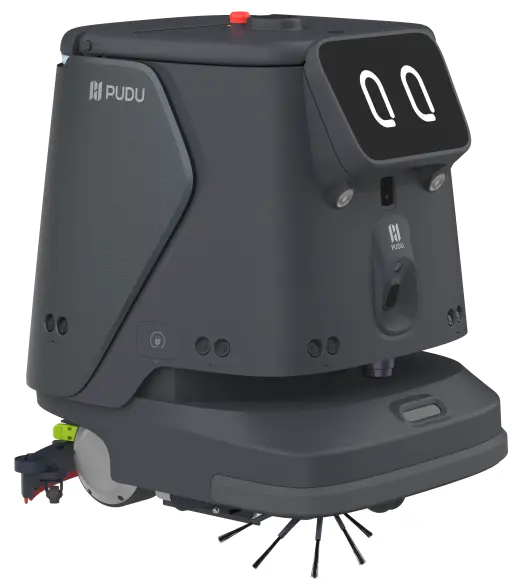
PUDU CC1 autonomous cleaning robot for offices

AI-Powered Cleaning Robot

PUDU CC1

Best where carpet and hard floor sit on the same floorplate, which is most offices. It sweeps, scrubs, vacuums and dust-mops, so one machine covers the reception, the corridor and the open-plan desks beyond it without a changeover.

View the PUDU CC1
PUDU CC1 Pro intelligent cleaning robot for co-working spaces

Intelligent Cleaning Robot

PUDU CC1 Pro

Best where spills are a daily event. AI spot scrubbing finds and works on marks rather than passing over them, which suits busy teapoints, breakout areas and co-working floors where coffee gets carried everywhere.

View the PUDU CC1 Pro
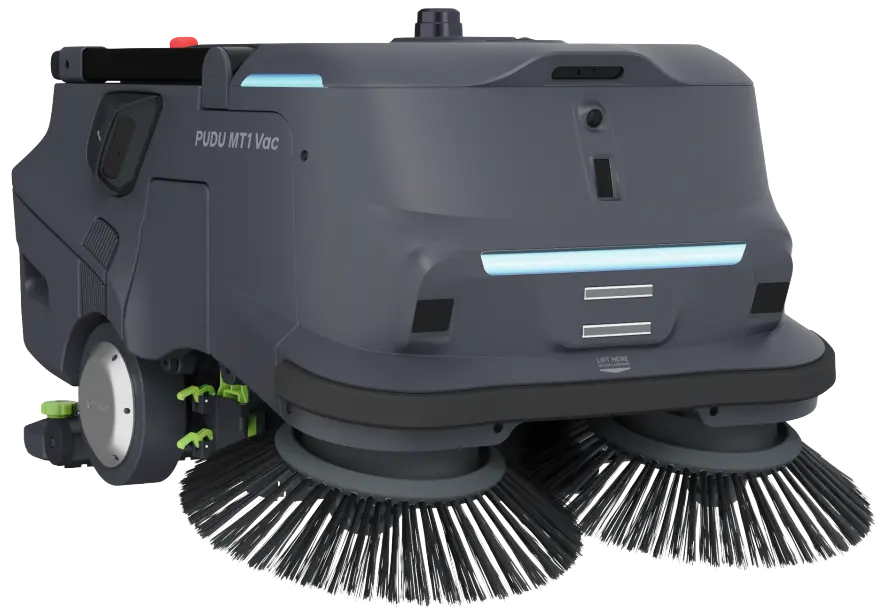
PUDU MT1 Vac commercial robot vacuum for open-plan offices

Robotic Vacuum Cleaner

PUDU MT1 Vac

Best for the carpet that makes up most of an office: open-plan desk areas, meeting rooms, corridors and breakout space, vacuumed to a schedule every night rather than whichever areas there was time for.

View the PUDU MT1 Vac

Where Cleaning Robots Work in Offices and
Co-Working Spaces

An office is really two cleaning jobs in one building: acres of carpet across the working floor, and hard floors everywhere people arrive, gather and make coffee. Robot vacuums and autonomous scrubber dryers take on the large, repetitive areas overnight, so your cleaning team can spend their hours on desks, washrooms and the touchpoints people actually notice.

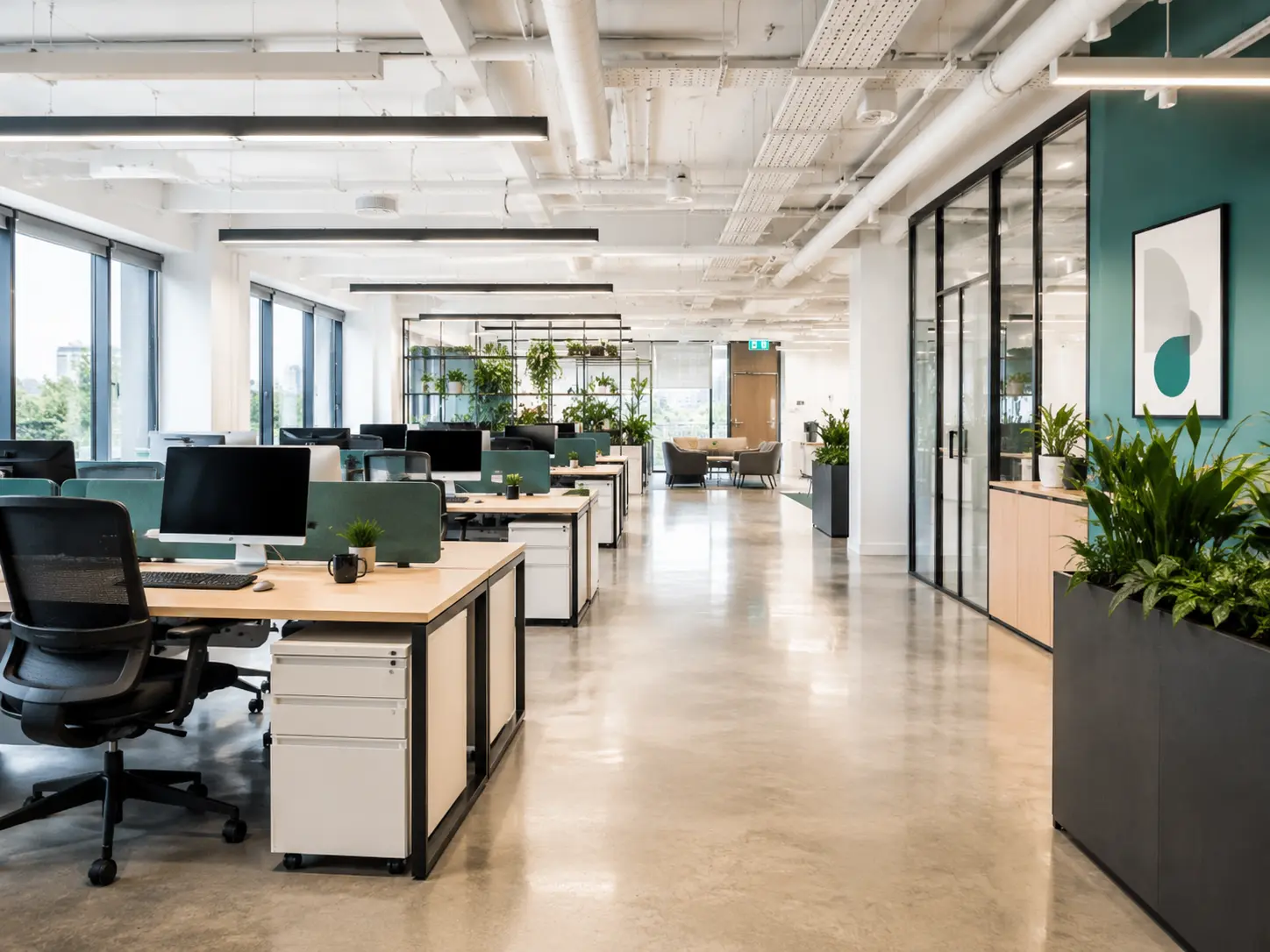
Open-plan office floor with carpeted desk areas

Open-Plan Desks and Workstations

Most of the floor area, most of the carpet and most of the crumbs. A robot vacuum runs the same coverage every night on a set route, which is realistically the only way the whole floor gets done rather than the walkways between desks.

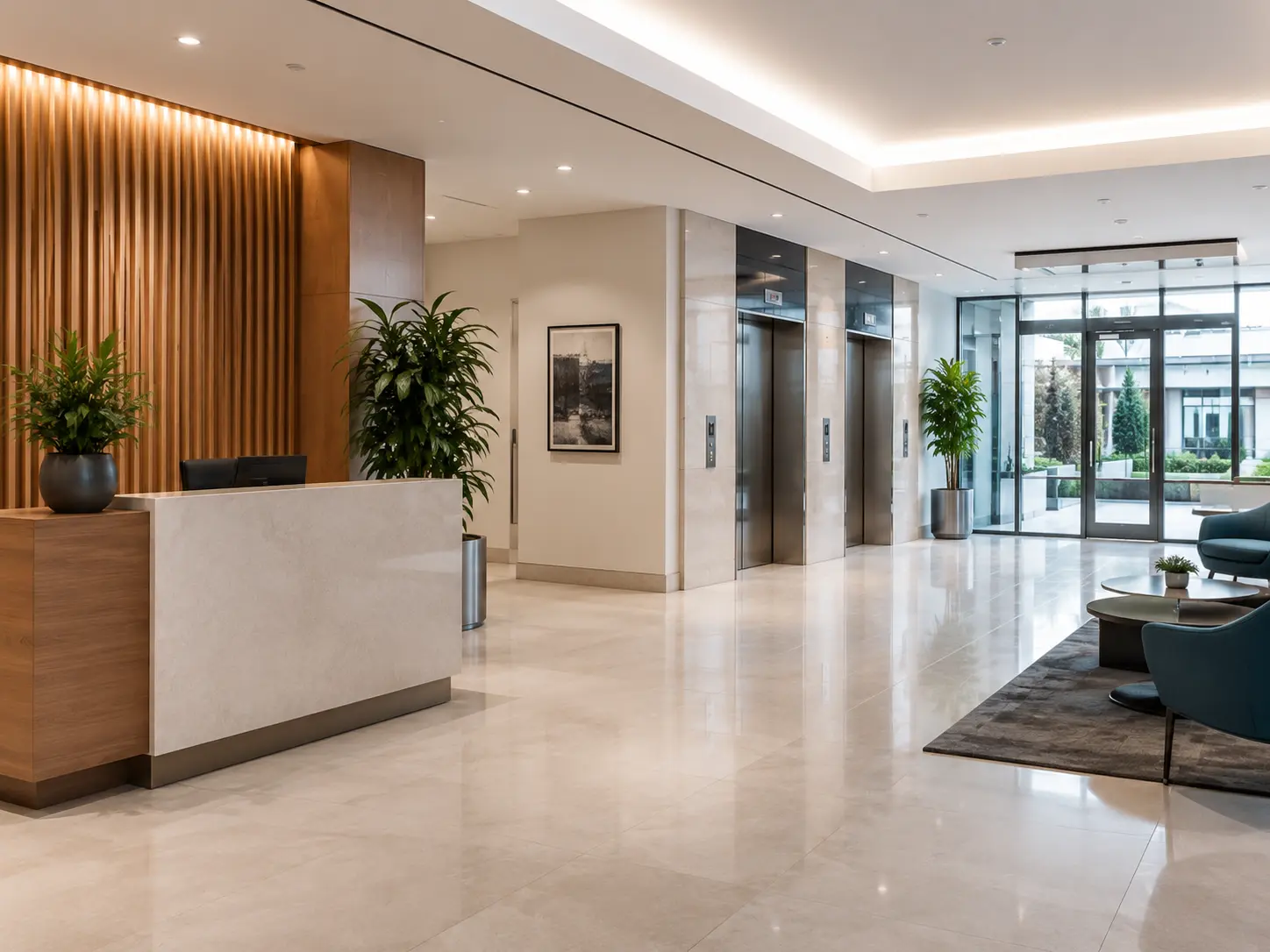
Office reception and lobby with a hard floor

Receptions, Lobbies and Lifts

The first floor every client and candidate sees, and the one that takes the worst of the weather. A scrubber dryer washes and lifts the water in one pass, so the entrance is walkable straight away with no cones out at nine in the morning.

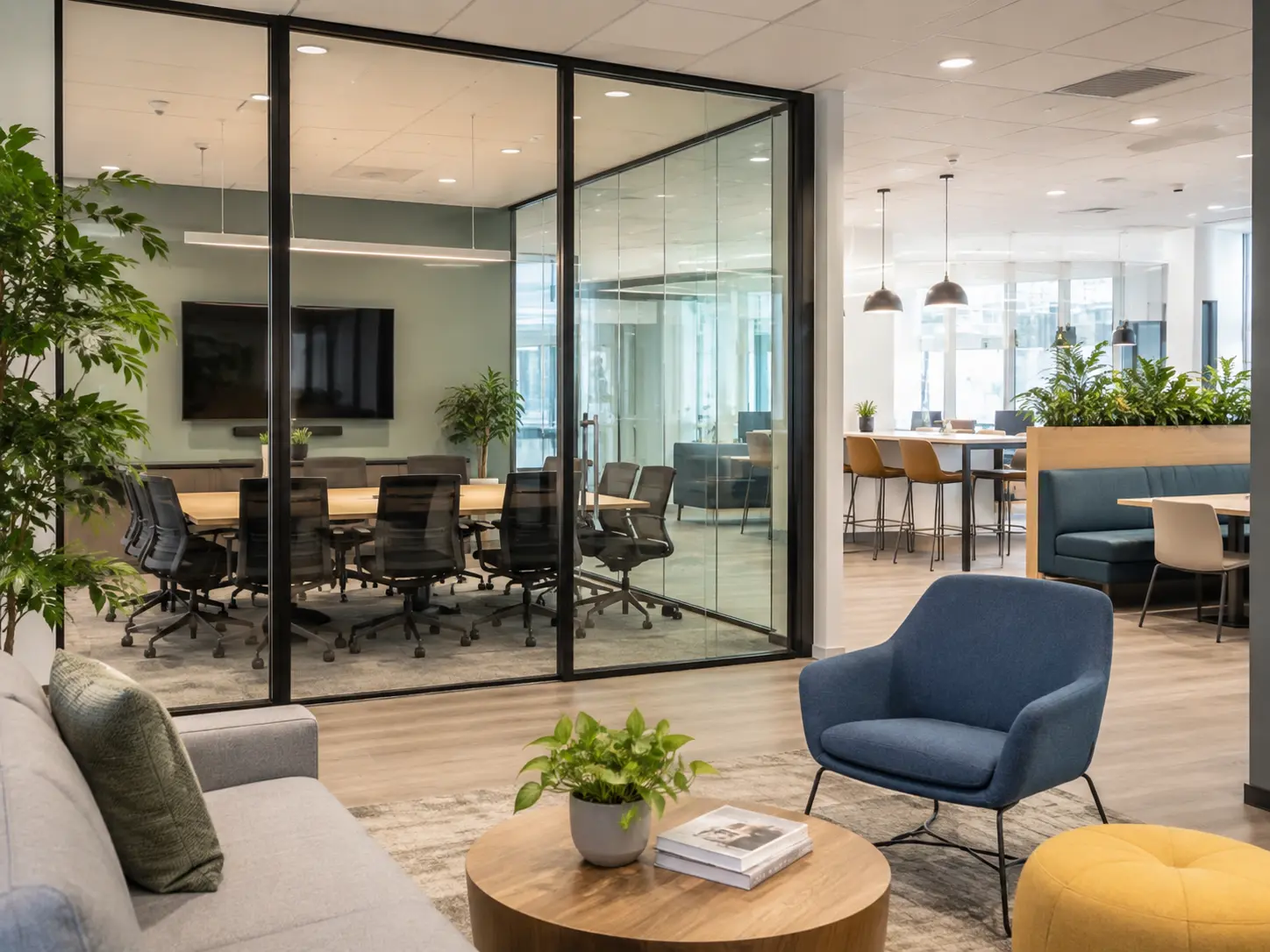
Office meeting room and breakout space

Meeting Rooms and Breakout Spaces

Booked back to back all day, then cleaned in one go at night. Once chairs are pushed in and the floor is clear, a cleaning robot covers a run of rooms on a schedule while the team resets furniture and clears desks.

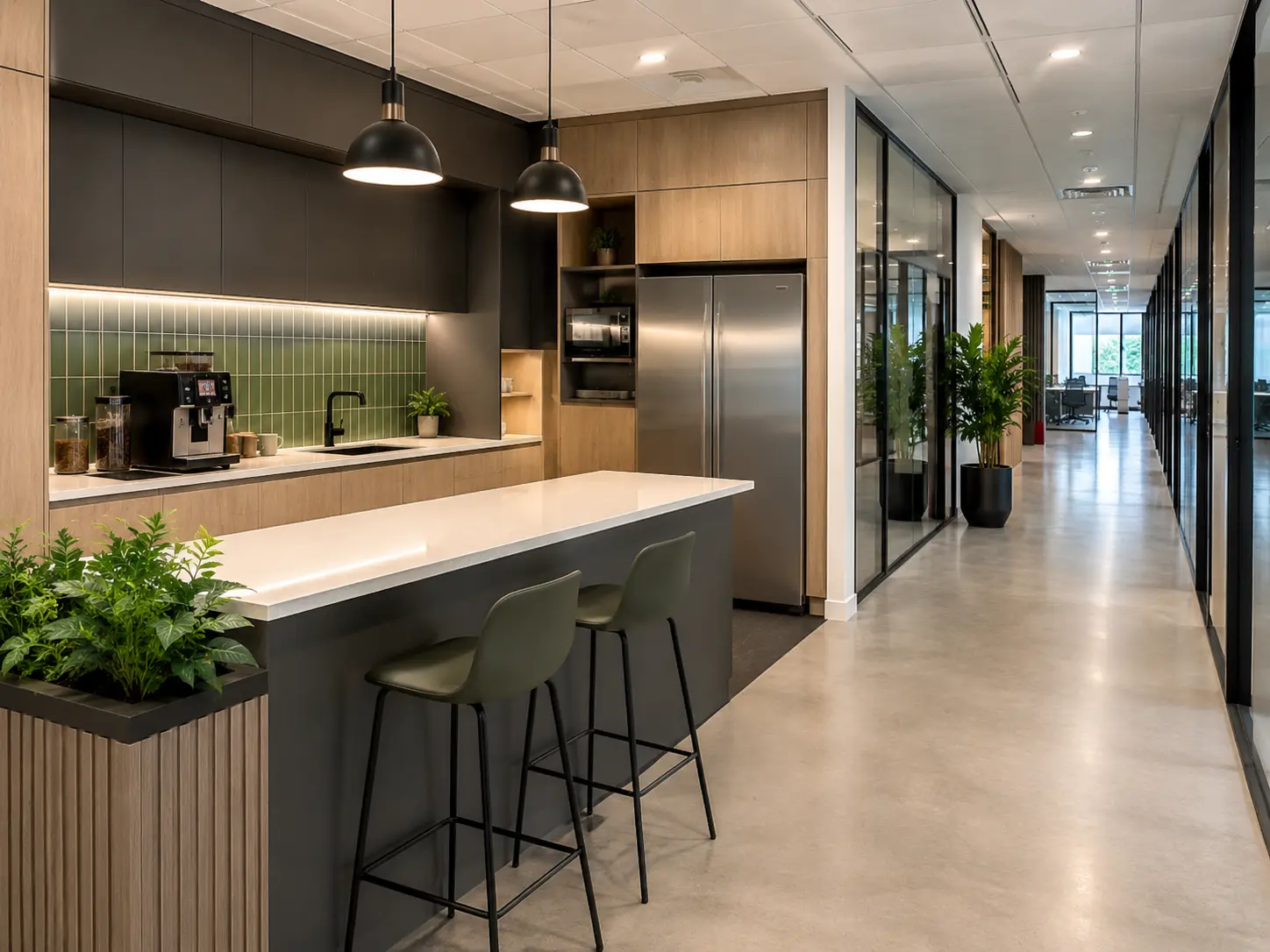
Office kitchen teapoint and corridor with a hard floor

Kitchens, Teapoints and Corridors

Spilled coffee, dropped lunch and everything walked out of the kitchen along the corridor. These are hard floors that need washing rather than vacuuming, and they are the routes everyone in the building uses several times a day.

Buying Guide

How to Choose a Cleaning Machine for Your Office

Office cleaning is two surfaces and a narrow window: carpet across the working floor, hard floors at the front and in the kitchens, and an hour or two either side of the working day to do both. Start with the split between the two, then work through the five points below.

Not sure which machine suits your space?

Send us a floor plan, the rough split between carpet and hard floor, and the hours you can clean. We will come back with two or three options and the reasons for each, and can demonstrate a machine on your own floor.

Book a Consultation

01 Carpet Across the Working Floor

In most offices carpet is the majority of the floor and the job that never quite gets finished by hand. A commercial robot vacuum runs the same route every night to a schedule, which is what turns the areas somebody had time for into the whole floor. Coverage and dust filtration matter more here than raw suction figures.

02 Hard Floors at the Front and in the Kitchen

Reception, lift lobbies, teapoints and washroom approaches are hard floor, and they need washing rather than vacuuming. A scrubber dryer lays water down, scrubs and lifts it again in one pass, so the entrance is dry enough to walk on well before the first person arrives.

03 Desks, Chairs and Everything Under Them

An office floor is far more cluttered than a warehouse one. Navigation decides whether a machine covers most of the floor or half of it, so compare how it reads chair legs, bins and bags before you compare tank sizes. A clear-desk-and-chairs-in rule at the end of the day is worth more than any spec on the sheet.

04 Noise and Out-of-Hours Running

If the machine will ever run while people are working, decibels matter as much as coverage. Check the quiet mode and match it to when you clean: an evening run through an empty office is a very different ask from a mid-afternoon pass across a co-working floor full of calls.

05 Docking, Power, Water and Storage

The part most sites forget. The machine needs somewhere to live: a socket, a cupboard or corner out of the way, and access to a tap and a drain for filling and emptying. In a serviced building or on a business park that often needs the landlord or building manager on side, so settle it before delivery rather than after.

Office Cleaning Machine FAQs

Straight answers to what office managers, facilities teams and co-working operators ask us before putting a cleaning machine on the floor.

1.Do cleaning robots actually work in an office?

On the right floor, yes. A robot is very good at large, open, repeatable areas and poor at cluttered ones. Open-plan desk areas, corridors, receptions and cleared meeting rooms are where it earns its keep; chairs left out, bags and boxes under desks all cost coverage. Judge it on the ground it can cover uninterrupted rather than on the spec sheet.

2.What is the best cleaning machine for an office?

It depends on the surface split. Carpet across the working floor is a vacuum job, while reception, lift lobbies and teapoints are hard floors that need washing rather than vacuuming, which is a scrubber dryer. Offices with both on the same floorplate often use a single machine that sweeps, scrubs and vacuums instead of two.

3.Can a robot vacuum clean office carpet properly?

A commercial robot vacuum will, yes. These are not domestic machines: they are built for large carpeted floors, run on a schedule, and cover the same route every night rather than whichever areas there was time for. See robot vacuums.

4.Are cleaning robots quiet enough to run during office hours?

That depends on the model, and it is worth checking first rather than last. Compare the stated decibel rating and whether there is a quiet mode, then match it to when you clean. Most offices run the machine early, late or overnight and use daytime passes only for receptions and circulation areas.

5.Can a cleaning robot work around desks and chairs?

Yes. The machines map the space and use LiDAR and cameras to detect and route around obstacles such as chair legs, bins and cable boxes. What makes the biggest difference is a clear-desk habit at the end of the day: chairs pushed in and bags off the floor can be worth more coverage than any spec on the sheet.

6.How often should office floors be cleaned?

Entrances, receptions and corridors take the most footfall and usually need daily attention, while desk areas and meeting rooms are commonly done nightly or on a rolling schedule. The advantage of an autonomous machine is that daily becomes realistic rather than aspirational, especially across several floors.

7.Will a cleaning robot replace our office cleaners?

No, and anyone telling you otherwise is selling something. A robot takes the open floor, which is the most time-consuming and least skilled part of the job, so your team spends its hours on desks, washrooms, kitchens and the touchpoints people actually notice. It changes what the team does rather than how many of them you need.

8.How do commercial cleaning robots work?

They map the space once, then repeat it. On the first run someone walks the machine round while it builds a map using LiDAR and cameras. After that you set the routes and the times, and it runs them unattended, returning to its dock to charge. Each run is logged in the app, so you can see what was covered and when. Compare models on the cleaning robots page.

Still have a question about your workspace?

Ask us anything about the machines above, or see one working on your own floor.

Arrange a Demo
Purozo office cleaning machine specialist

Find the Right Cleaning Machine for Your Office

Tell us your floor area, the split between carpet and hard floor, and the hours you can clean. We will shortlist the robot vacuums and scrubber dryers that suit your workspace, along with the ones that would not.

Book a Consultation
Demonstrations in your own workspace
Training for your cleaning team
Servicing and maintenance support