Skip to Content
Warehousing & Distribution

Cleaning Machines
for Warehouses

Commercial cleaning machines for warehouses, distribution centres and logistics hubs, built for long picking aisles, busy loading bays and floors that take a hammering from forklift and pallet traffic.

Explore industrial scrubber dryers, floor sweepers and autonomous cleaning robots that keep dust down and floors shift-ready, without pulling your team away from picking and dispatch.

Racking aisles &
pick faces
Loading bays &
goods-in areas
Cleans while
your team picks
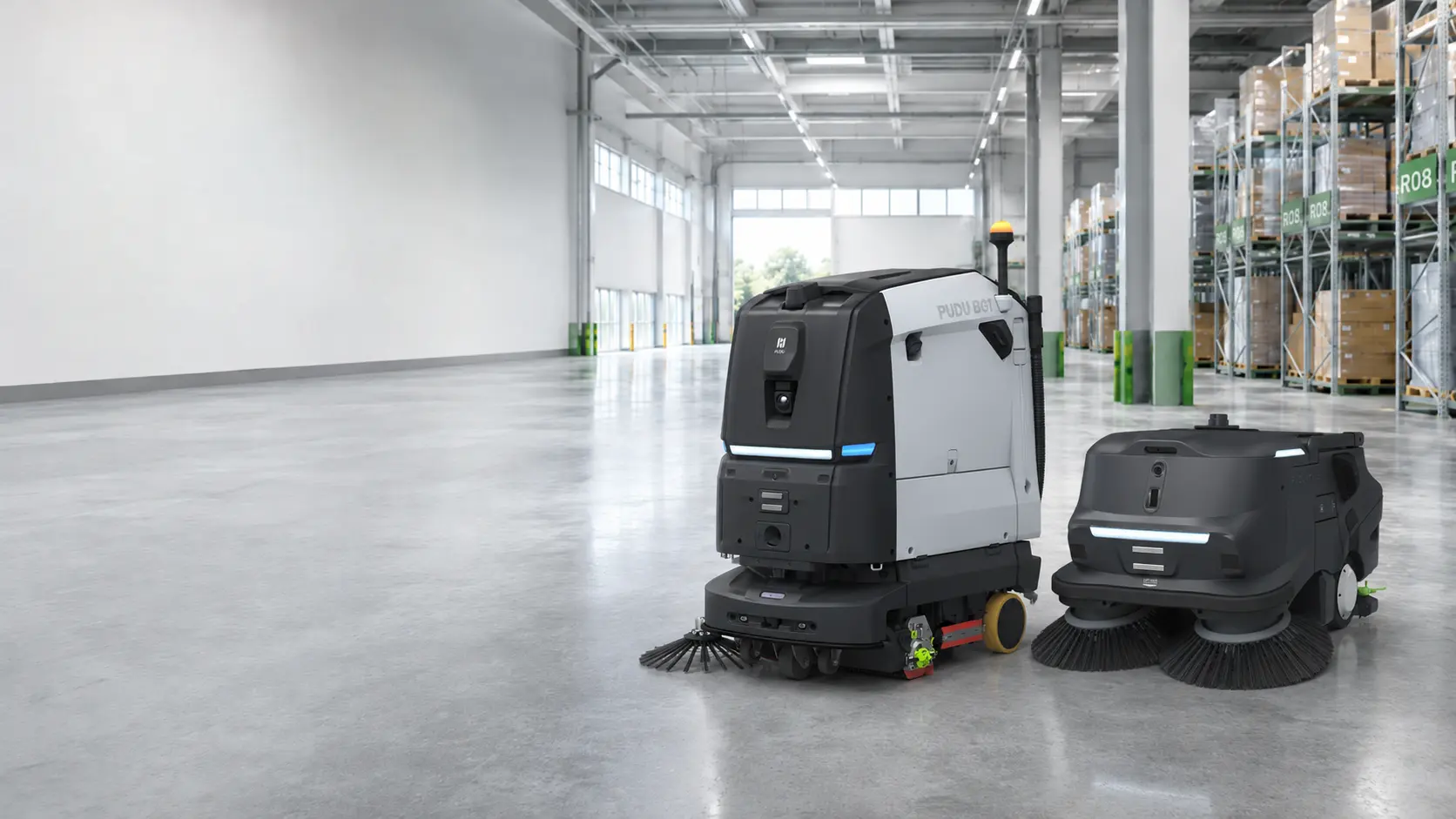
PUDU BG1 and PUDU MT1 cleaning machines working in a warehouse aisle

Cleaning Machines for Warehouses and Distribution Hubs

Warehouse floors are big, busy and rarely free. Cardboard dust, shrink wrap, pallet grit and tyre marks build up faster than a walk-behind and a small team can keep up with, and the quiet window for cleaning keeps shrinking. These autonomous cleaning machines cover the long aisles, loading bays and open floor of a distribution centre, working around picking and dispatch rather than waiting for them to stop.

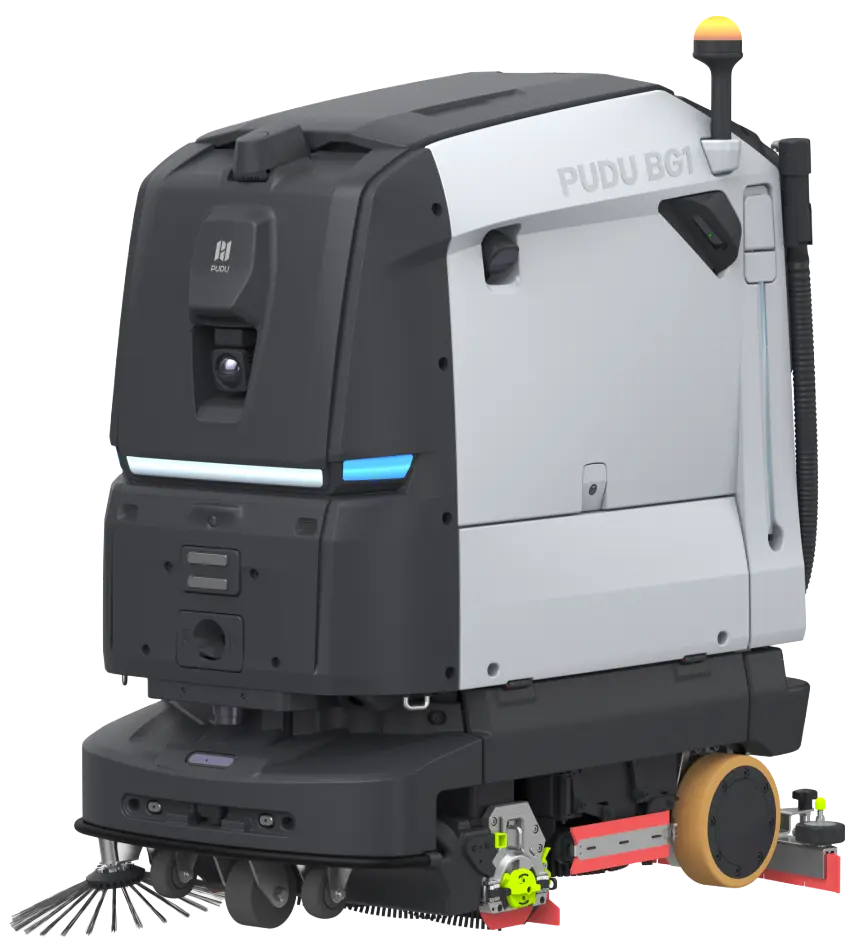
PUDU BG1 autonomous scrubber dryer for warehouse floors

Autonomous Scrubber Dryer

PUDU BG1

Best where the floor needs washing, not just sweeping. It sweeps, scrubs and dries in one pass, holds 75 litres of clean water and covers up to 2,000 m² an hour, with side brushes that reach in against racking legs and walls.

View the PUDU BG1
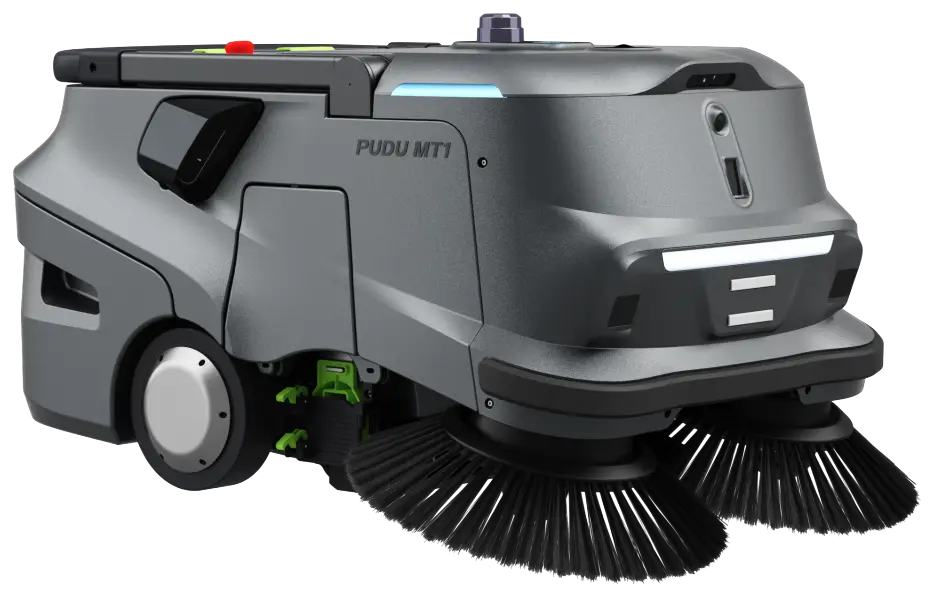
PUDU MT1 AI-powered robotic sweeper for distribution centres

AI-Powered Robotic Sweeper

PUDU MT1

Best for the dry mess a warehouse makes daily: cardboard offcuts, banding, pallet dust and grit walked in from the yard. A 70 cm sweeping path, a 35-litre bin and active dust control, so debris ends up collected rather than pushed into the air.

View the PUDU MT1
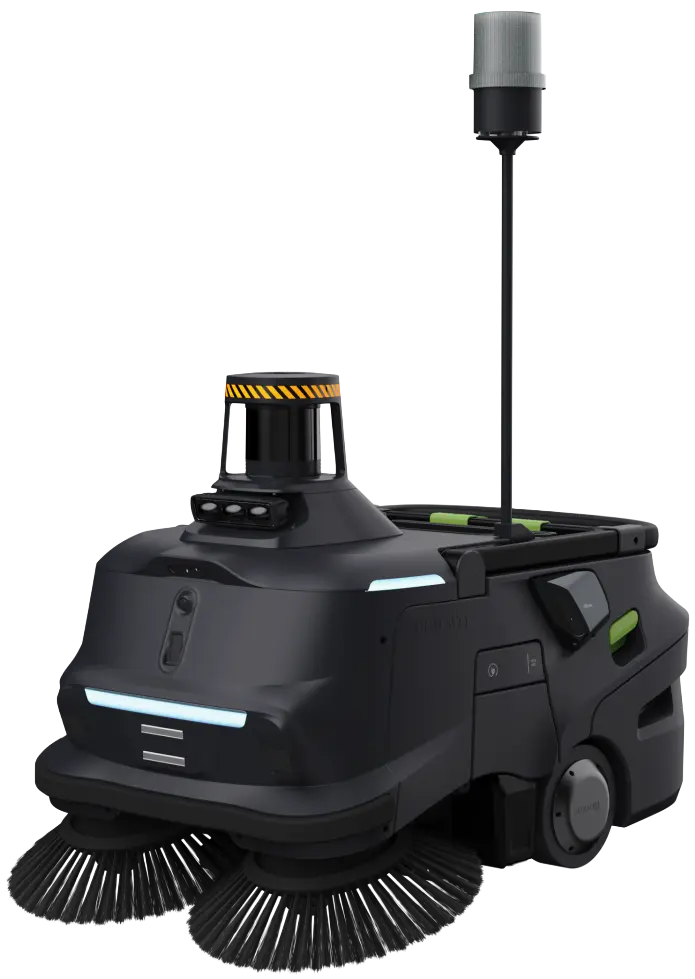
PUDU MT1 Max robotic sweeper for large and semi-outdoor logistics sites

Large-Area Robotic Sweeper

PUDU MT1 Max

Best for the biggest sites and the awkward edges of them. IP54 protection and 3D LiDAR navigation suit covered loading bays and semi-outdoor areas as well as the main floor, with 5 to 10 hours of runtime for buildings up to 100,000 m².

View the PUDU MT1 Max

Where Cleaning Robots Work in Warehouses and Distribution Hubs

A distribution hub is really several cleaning jobs in one building, from miles of racking aisle to loading bays that never stop moving. Robotic sweepers and autonomous scrubber dryers take on the large, repetitive floor areas and run to a set schedule, so your team can spend their hours on the detail work, spill response and the areas a machine cannot reach.

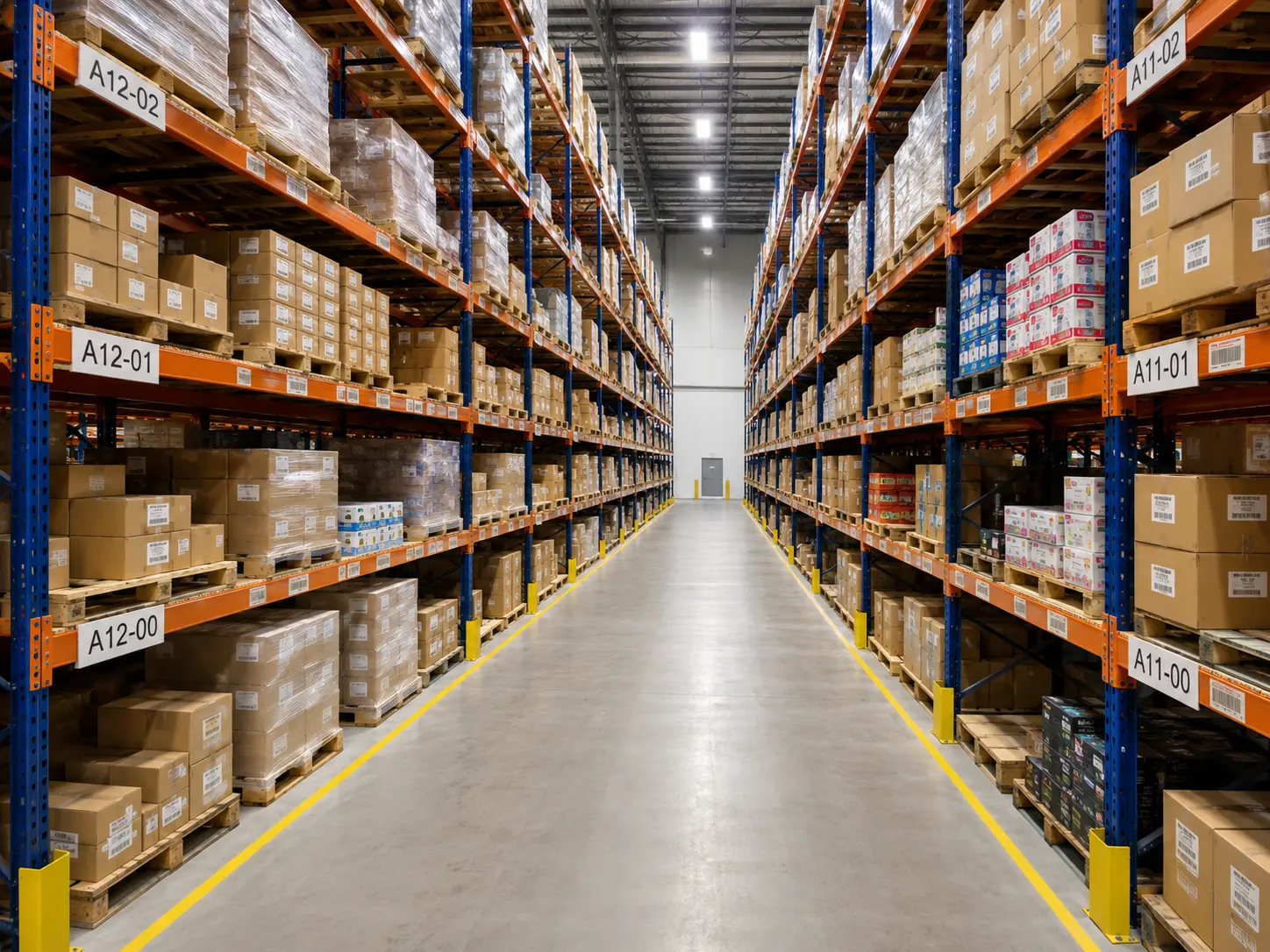
Warehouse racking aisle with a hard floor being cleaned

Racking Aisles and Pick Faces

Most of your floor area sits here, and it is the hardest part to stay on top of. A cleaning robot works aisle after aisle on a set route, moving around pickers and pallet trucks rather than waiting for a gap in the shift.

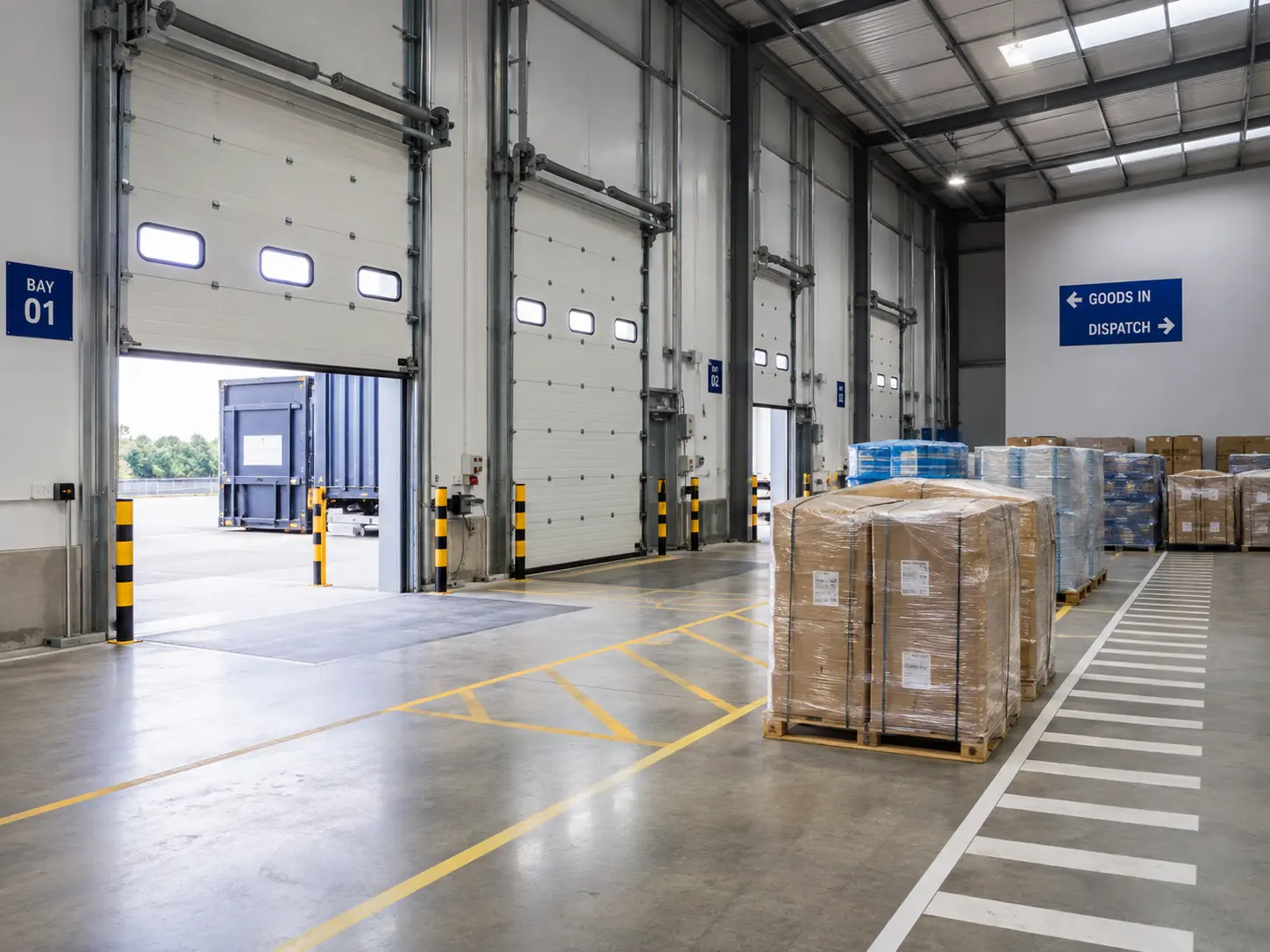
Warehouse loading bay and goods-in area

Loading Bays, Goods-In and Dispatch

Where the mess arrives: yard grit, tyre marks, shrink wrap and cardboard from every delivery. Sweeping the bays regularly stops most of it being walked and driven down the rest of the building.

Open marshalling and cross-dock floor in a distribution centre

Marshalling and Cross-Dock Floors

Wide open floor that changes shape hour by hour as pallets land and leave. Large-area machines cover it quickly, and can be scheduled for the window between the last outbound and the first inbound.

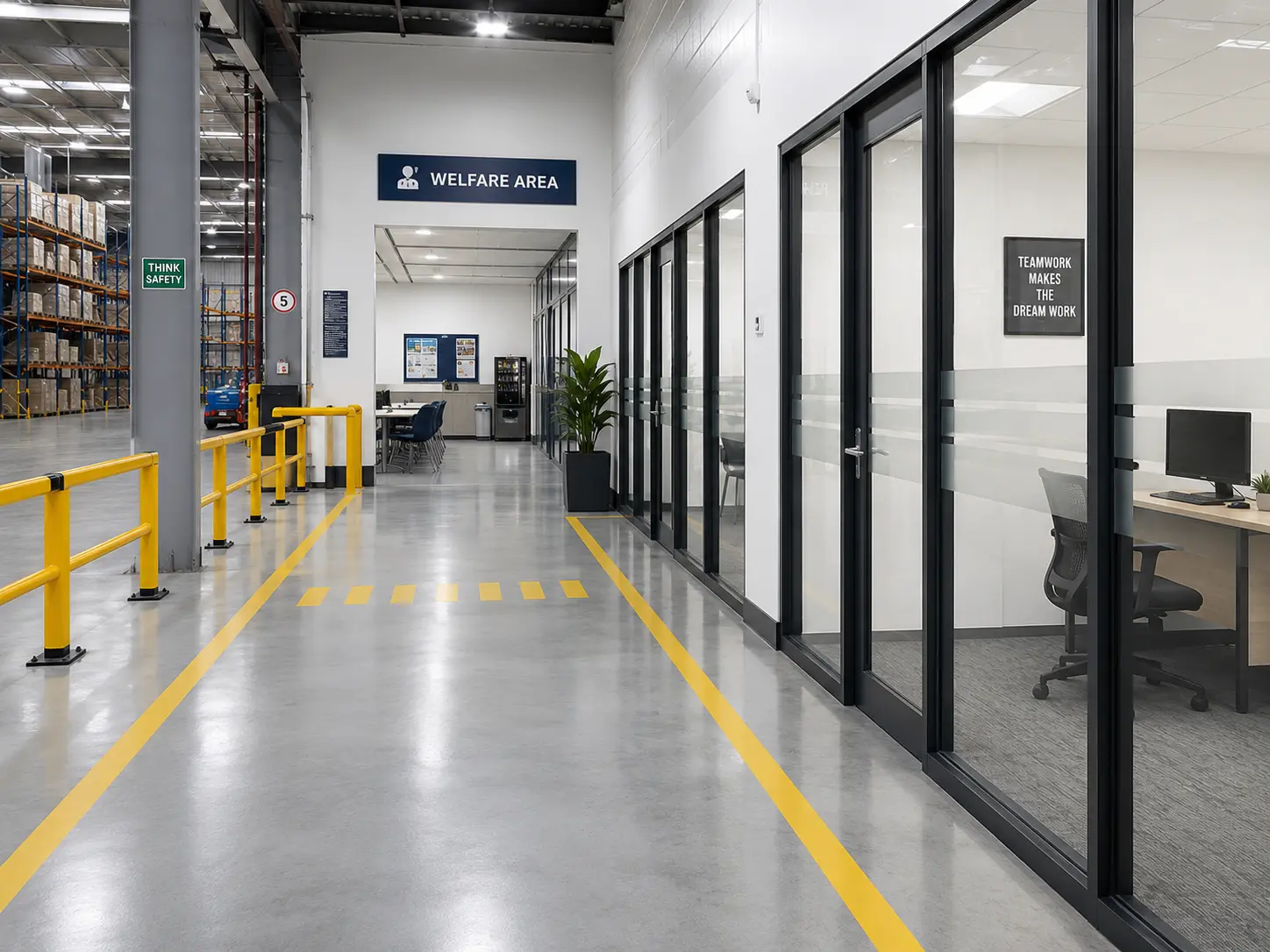
Pedestrian walkway and welfare area in a warehouse

Walkways, Welfare and Offices

Pedestrian routes, mezzanine offices, canteens and locker rooms still need doing, usually by the same small team. Clear walkway markings also stay visible for longer on a floor that is cleaned properly.

Buying Guide

How to Choose a Cleaning Machine for Your Warehouse

Warehouse cleaning comes down to two jobs: sweeping up dry debris and scrubbing what has been ground into the floor. Most distribution centres need both. Start with the mess you actually have, then work through the five points below.

Not sure which machine suits your site?

Send us your floor area, aisle widths and shift pattern, and we will come back with two or three options and the reasons for each. We can also demonstrate a machine on your own floor.

Book a Site Survey

01 Tyre Marks and Ground-In Dirt

Sweeping lifts the loose stuff, but tyre marks, oil spots and dirt worked into sealed or polished concrete have to be washed off. A scrubber dryer lays water down, scrubs and lifts it again in one pass, so the aisle is walkable and driveable straight behind the machine. Walk-behind, ride-on and robotic scrubber dryers suit different site sizes and cleaning windows.

02 Aisle Width and Clearance

Measure your narrowest working aisle before you look at anything else. An autonomous machine needs a clear path to pass, and pallets overhanging the racking line are what usually stops it, not the racking itself. Cleaning width decides how many passes each aisle takes.

03 Floor Area, Runtime and Charging

Work out your square metres, then check coverage per hour against battery runtime. A machine that covers the floor in theory but needs charging halfway through is a machine that never finishes. Auto docking matters most where the cleaning window sits outside staffed hours.

04 Working Around Forklifts and People

A warehouse floor is rarely still. Navigation and obstacle detection vary right across the range, so compare how a machine reads moving MHE, stacked pallets and dropped stock before you compare tank sizes. One that halts at every obstruction saves nobody any time.

05 Docking, Power, Water and Waste

The part most sites forget. The machine needs somewhere to live: a socket, a spot clear of MHE routes, and access to a tap and drain for filling and emptying. If it will work covered bays or the yard edge, check the IP rating too. Easier settled before delivery than after.

Warehouse Cleaning Machine FAQs

Straight answers to what warehouse, logistics and distribution managers ask us before putting a cleaning machine on the floor.

1.Do cleaning robots actually work in a warehouse?

On the right floor, yes. A robot is very good at large, open, repeatable areas and poor at cluttered ones. Long racking aisles, marshalling areas and cross-dock floors are where it earns its keep; stray pallets, stillages and stock left in the aisle all cost coverage. Judge it on the ground it can cover uninterrupted rather than on the spec sheet.

2.What is the best cleaning machine for a warehouse floor?

It depends on the mess. Dry debris such as cardboard, banding and pallet dust is a sweeper job, while tyre marks and ground-in dirt on sealed or polished concrete need a scrubber dryer. Most distribution centres end up running both: sweeping often, and scrubbing on a longer cycle.

3.How often should a warehouse floor be cleaned?

As often as the traffic demands, which usually means sweeping the busy routes every day and the wider floor on a rolling schedule. Goods-in and dispatch generate the most, so they need doing more often than bulk storage. The advantage of an autonomous machine is that daily becomes realistic rather than aspirational.

4.Can a cleaning robot work around forklifts and MHE?

Yes, and modern machines are built for it: 3D perception and multi-sensor navigation let them detect moving equipment, slow down and route around obstructions. Most sites still schedule the bulk of cleaning for quieter periods and keep the machine out of the busiest MHE lanes at peak.

5.How much aisle width does a robotic cleaner need?

Check the minimum clear path for the model rather than the cleaning width. The PUDU BG1, for example, needs at least 85 cm of clear path to work an aisle. In practice it is overhanging pallets and stock left on the aisle floor that cause problems, not the racking. See robotic scrubber dryers.

6.Can a robotic sweeper clean loading bays and semi-outdoor areas?

Some can. This is where the IP rating matters: a machine rated IP54, such as the PUDU MT1 Max, is built for indoor and suitable semi-outdoor work like covered loading bays, while an indoor-only sweeper should stay inside the building line. See robotic sweepers.

7.Will a cleaning robot replace our cleaning team?

No, and anyone telling you otherwise is selling something. A robot takes the open floor, which is the most time-consuming and least skilled part of the job, so your team spends its hours on spill response, welfare areas, washrooms and the detail a machine cannot reach. It changes what the team does rather than how many of them you need.

8.How do commercial cleaning robots work?

They map the site once, then repeat it. On the first run someone walks the machine round while it builds a map using LiDAR and cameras. After that you set the routes and the times, and it runs them unattended, returning to its dock to charge. Each run is logged in the app, so you can see what was covered and when. Compare models on the cleaning robots page.

Still have a question about your site?

Ask us anything about the machines above, or see one working on your own floor.

Arrange a Demo
Purozo warehouse cleaning machine specialist

Find the Right Cleaning Machine for Your Warehouse

Tell us your floor area, aisle widths and shift pattern, and we will shortlist the scrubber dryers and robotic sweepers that suit your site, along with the ones that would not.

Book a Site Survey
Demonstrations on your own warehouse floor
Operator training for your team
Servicing and maintenance support